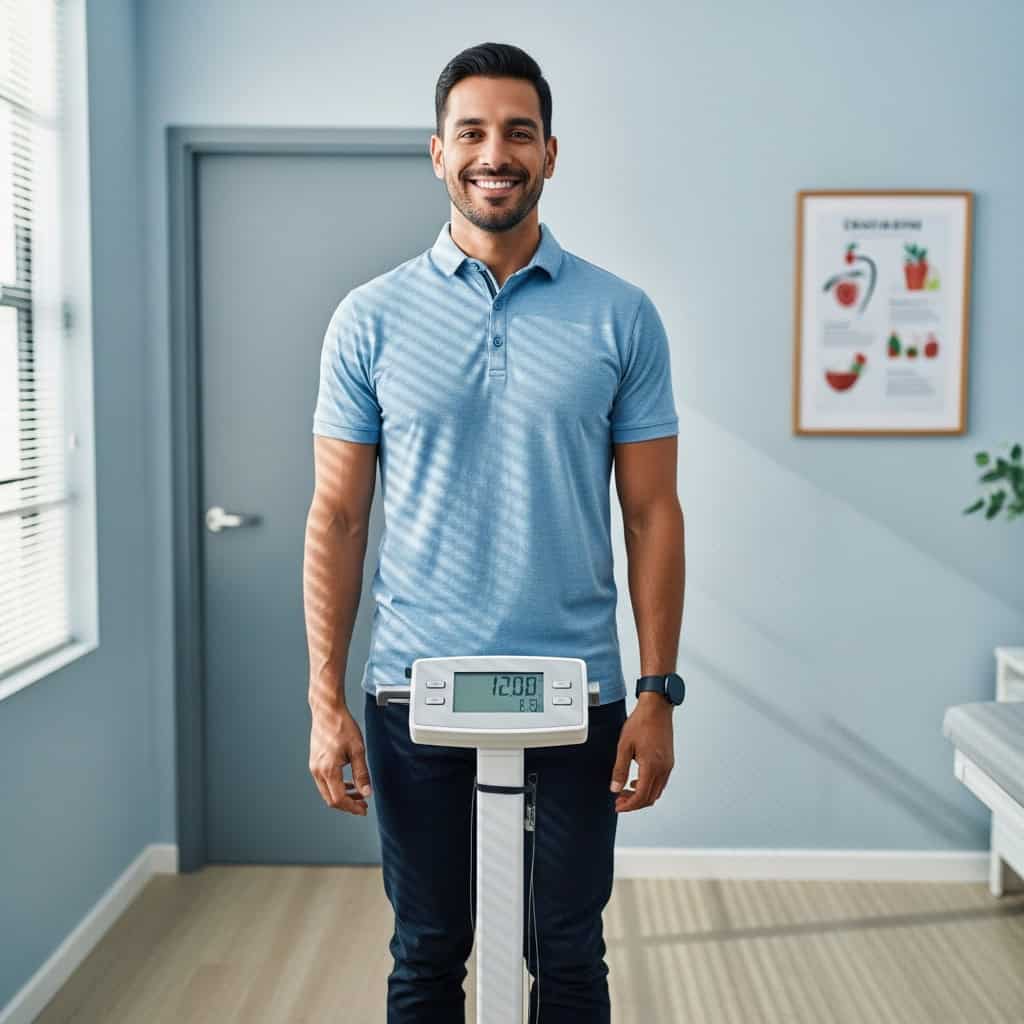
Unveiling the Best Medical Weight Loss Method: A Comprehensive Guide to Healthy and Rapid Weight Loss
Are you tired of fad diets that promise quick weight loss and leave you feeling drained, only to have the pounds creep back on? Are you looking for a method to lose weight that is not just effective, but also safe and medically approved? If that resonates with you, then you have come to the right place. We are going to delve into the realm of medical weight loss, a scientifically backed approach that is rapidly gaining traction in the world of health and wellness.
In our fast-paced world, quick results are often sought after. This is no different when it comes to weight loss. However, the desire to shed pounds quickly can lead many down a path of unhealthy and unsustainable dieting practices. The truth is, while losing weight fast might seem appealing, sustainable weight loss requires a balanced approach, incorporating dietary changes, exercise, lifestyle modifications, and sometimes even medical interventions.
This comprehensive guide is designed to provide an in-depth understanding of the best method for medical weight loss. We will unravel the science behind this approach, debunk common misconceptions, and offer practical advice on how to embark on your weight loss journey effectively. Our goal is not just to help you lose weight fast but to achieve sustainable and healthy weight loss that enhances your overall wellbeing.
So, why does this matter? The prevalence of obesity is on the rise globally, becoming a serious public health concern. According to the World Health Organization, more than 1.9 billion adults were overweight in 2016, and of these over 650 million were obese. And it’s not just about aesthetics or fitting into your favorite pair of jeans. Excess weight can lead to numerous health issues such as heart disease, diabetes, and certain types of cancer. It’s clear that we need solutions – sustainable, effective, and scientifically-backed methods for losing weight.
This is where medical weight loss steps in. Unlike fad diets and quick-fix solutions, medical weight loss focuses on the root causes of your weight gain, offering personalized plans that are overseen by healthcare professionals. It’s a method that goes beyond diet and exercise, incorporating behavioral changes and, in some cases, approved medication or surgery to aid the weight loss process. But how does it work? What makes it more effective than other weight loss methods? What can you expect if you decide to pursue this route?
Throughout this guide, we will answer these questions and more. We will explore various aspects of medical weight loss, including its benefits, potential drawbacks, and who it’s best suited for. We will also look at the role of nutrition, physical activity, behavior modification, and medication in this process. By the end of this guide, you will be equipped with the knowledge necessary to make informed decisions about your weight loss journey.
Remember, losing weight is not just about looking good; it’s about feeling good and leading a healthier, happier life. Medical weight loss offers a scientifically sound and personalized approach to help you achieve these goals. So, get ready to embark on a journey of transformation – one where you lose weight rapidly, but safely, and most importantly, keep it off in the long run.
The Best Medical Weight Loss Methods and Their Fundamentals
Background:
Weight loss, a major health concern for many people worldwide, is a complex process that requires a combination of a balanced diet, regular exercise, and sometimes, medical intervention. Medical weight loss refers to the management of weight using scientific evidence that targets the root causes of obesity and weight gain. It’s a comprehensive approach that does not just focus on diet and exercise but also considers other aspects like genetics, environment, metabolism, behavior, and lifestyle factors affecting an individual’s weight.
The escalating global obesity epidemic has led to a surge in research focused on weight management, including various medical interventions for weight loss. The primary goal of medical weight loss methods is to achieve and sustain a healthy weight, thereby reducing the risk of developing other severe health conditions such as heart disease, diabetes, and certain types of cancers.
Medical weight loss methods are usually considered when traditional methods of diet and exercise have proven unsuccessful, or when the individual’s health is at immediate risk due to their weight. It’s important to understand that medical weight loss isn’t about cosmetic appearance but is a necessary intervention aimed at improving health and quality of life.
Medical Weight Loss Methods:
1. Prescription Medication: This involves using FDA-approved drugs to aid in weight loss. These medications work by suppressing appetite, increasing feelings of fullness, or reducing the absorption of fat. Some commonly prescribed weight loss drugs include Orlistat (Xenical), Lorcaserin (Belviq), Phentermine-topiramate (Qsymia), and Liraglutide (Saxenda). It’s crucial to note that these medications are not magic pills; they are meant to be used in conjunction with a healthy diet and regular physical activity.
2. Bariatric Surgery: This surgical method is usually recommended for individuals with a BMI (Body Mass Index) of 40 or higher, or those with a BMI of 35 or more who also have weight-related health problems. Bariatric surgeries, such as gastric bypass, sleeve gastrectomy, and adjustable gastric banding, work by altering the digestive system to restrict food intake or reduce nutrient absorption.
3. Liposuction: This surgical procedure removes excess fat deposits to improve body contours and proportion. It must be noted that liposuction is not a method of weight loss but rather a body contouring procedure. It might not significantly affect body weight and is not effective against obesity.
4. Endoscopic Procedures: These are less invasive procedures that alter the digestive tract to help people lose weight. Common endoscopic procedures include intragastric balloon placement, endoscopic sleeve gastroplasty, and AspireAssist therapy.
A medical weight loss plan is typically supervised by a medical professional and includes a team of nurses, dietitians, exercise trainers, and psychologists. The program is custom-made to fit the patient’s needs and may involve one or more methods mentioned above depending on the individual’s health status, weight loss goals, and preferences.
While these methods have proven to be effective for many people, it’s essential to remember that the best medical weight loss method varies from person to person. What works best for one may not work for another, as each individual’s body responds differently to different weight loss methods.
The effectiveness of a medical weight loss program also largely depends on the individual’s commitment to making long-term lifestyle changes. This includes adhering to a healthy diet, engaging in regular physical activity, getting adequate sleep, and managing stress levels.
In conclusion, medical weight loss offers a promising solution for those struggling with obesity and its related health complications. However, determining the ‘best’ method requires careful consideration of various factors including the individual’s overall health, weight loss goals, lifestyle, and personal preferences. Therefore, it’s crucial to seek professional medical advice before embarking on any weight loss journey. A healthcare provider can provide a comprehensive evaluation and recommend the most suitable weight loss approach based on an individual’s specific needs and circumstances.
The Best Medical Weight Loss Method: A Step-by-Step Guide
Introduction:
Medical weight loss is a comprehensive, evidence-based approach to weight management. It involves dietary changes, behavior modifications, exercise regimens, and sometimes prescription medications or surgical interventions. The primary objective is to achieve and maintain an ideal body weight which significantly reduces the risk of health complications such as diabetes, heart disease, and certain cancers. Let’s delve into the practical steps that guide you through the best medical weight loss methods.
Step 1: Consultation with a Medical Professional The first step in your medical weight loss journey should be a detailed consultation with a healthcare provider specializing in weight management. The practitioner will evaluate your health history, conduct a physical examination, and possibly order some laboratory tests. This initial consultation helps identify any underlying health conditions contributing to weight gain or hindering weight loss, such as hypothyroidism, polycystic ovarian syndrome (PCOS), or insulin resistance.
Example: Jane, a 45-year-old woman, was struggling with weight gain despite regular exercise and a balanced diet. After medical consultation and tests, she was diagnosed with hypothyroidism. With appropriate medication for her thyroid condition, she started losing weight effectively.
Step 2: Personalized Dietary Plan Based on the consultation, the healthcare provider will assist you in creating a personalized dietary plan. This plan will take into consideration your current dietary habits, food preferences, allergies if any, and your health condition. The goal is to create a calorie deficit without compromising on nutritional needs.
Example: John, who loves his pasta and bread, was advised to follow a low-carb diet that doesn’t deprive him of his favorite foods but incorporates healthier alternatives like whole wheat pasta and brown bread.
Step 3: Exercise Regimen
Physical activity is crucial for effective weight loss and maintaining overall health. Your healthcare provider or a fitness professional can help devise an exercise regimen suitable to your fitness level and health status. The regimen generally includes a mix of aerobic exercises, strength training, and flexibility exercises.
Example: Sarah, a 35-year-old woman with arthritis, was recommended low-impact exercises like swimming and yoga, which are easier on her joints but still help burn calories and enhance flexibility.
Step 4: Behavior Modifications
Losing weight isn’t just about diet and exercise; it’s also about changing behaviors that contribute to weight gain. This might involve learning stress management techniques, improving sleep hygiene, or seeking therapeutic support to manage emotional eating.
Example: Mike, who often resorted to late-night snacking due to work stress, was taught relaxation techniques like deep breathing and progressive muscle relaxation that helped him manage stress without turning to food.
Step 5: Prescription Medications or Surgical Interventions In some cases, when lifestyle changes are not sufficient or if you have significant obesity-related health issues, your healthcare provider might recommend prescription weight loss medications or surgical interventions. These options should be considered as supplements to diet and exercise, not replacements.
Example: Lisa, who had a BMI of 40 with diabetes and sleep apnea, was recommended to consider bariatric surgery. After the surgery and with continued lifestyle changes, she lost significant weight and her diabetes and sleep apnea were well controlled.
Conclusion:
Remember, the best medical weight loss method is the one tailored to your unique needs and circumstances, offering a holistic approach that combines dietary modifications, regular physical activity, behavioral changes, and medical interventions if necessary. Always consult with a healthcare provider before beginning any weight loss program. It may take time and require patience, but with consistency and professional guidance, you can achieve your weight loss goals.
Medical Weight Loss: Challenges, Solutions, and Expert Tips
Are you on a quest to shed those extra pounds but can’t seem to find the most efficient way to do it? While there’s an abundance of information available online about weight loss, it’s crucial to distinguish between fact and fiction. In this guide, we’re going to delve into the realm of medical weight loss, debunk some common misconceptions, and offer expert tips on how to lose weight fast and safely.
Understanding Medical Weight Loss
Medical weight loss is not a surgery or diet pills. It’s a weight management system led by physicians and medical professionals in which they design a personalized weight loss plan tailored to your specific needs and lifestyle. The program often involves dietary changes, physical activities, behavior modification, and if necessary, prescription medications.
Challenges in Medical Weight Loss
One common challenge many people face when embarking on a weight loss journey is setting unrealistic expectations. Losing weight is a process that takes time, so don’t be disheartened if you don’t see immediate results.
Another challenge is the misconception that medical weight loss means diet pills or surgery. While these methods may be used in extreme cases, most health professionals will advocate for lifestyle changes as the primary method for weight loss.
Maintaining motivation and consistency can also be challenging. Many people start with enthusiasm but falter when they don’t see quick results. In medical weight loss programs, your progress is monitored regularly to provide motivation and ensure you stay on track.
Solutions & Best Practices for Medical Weight Loss
1. Make a Plan: Medical weight loss programs are customized to fit your individual needs. Your physician will develop an actionable plan based on your health profile and weight loss goals.
2. Stay Active: Regular physical activity is an integral part of any weight loss program. It helps burn calories and boosts your metabolism to shed weight faster.
3. Eat Healthily: Medical weight loss plans often involve a balanced diet rich in fruits, vegetables, lean proteins, and whole grains. Avoid processed foods and sugary drinks, which can add excessive calories.
4. Regular Monitoring: Regular check-ups and consultations with your healthcare provider will ensure the program is working for you and can be adjusted as needed.
Expert Tips on How to Lose Weight Fast
1. Portion Control: This doesn’t mean you’ll be eating tiny portions. Instead, it’s about ensuring you’re getting the right amounts of the different types of foods.
2. Hydrate: Drinking enough water can help control hunger, keeping you from overeating.
3. Adequate Sleep: Lack of sleep can disrupt your metabolism and lead to weight gain. Aim for 7-9 hours of sleep per night.
4. Stress Management: High levels of stress can lead to overeating or unhealthy food choices. Find ways to manage stress, such as yoga, meditation, or reading.
While the desire to lose weight fast is understandable, remember that sustainable weight loss is a gradual process. Quick fixes often lead to rapid weight regain. Therefore, focus on making long-term lifestyle changes that you can maintain even after reaching your weight loss goal.
Medical weight loss is an effective way of losing weight under professional supervision. It ensures that you’re losing weight in a healthy manner and reduces the likelihood of potential health risks. Remember to consult with a professional before starting any weight loss program to ensure it’s the right fit for your body and health status.
In conclusion, the best medical weight loss method is one that promotes a balanced diet, regular physical activity, behavior modification, and if needed, medication. It’s personalized to your needs and monitored by professionals to ensure safety and effectiveness. By understanding and embracing the challenges that come with weight loss, you can take proactive steps towards achieving your goals and living a healthier life.
Unraveling Medical Weight Loss: Expectations, Timelines, and Next Steps
Medical weight loss is an evidence-based approach guided by healthcare professionals that includes diet, exercise, behavior changes, and medication when necessary. This method is often beneficial for those struggling with obesity or excessive weight gain who have not found success with traditional diet and exercise methods.
So, what is the best medical weight loss method? The answer is multifaceted as it depends on an individual’s overall health status, weight loss goals, commitment to lifestyle changes, and even genetic factors. However, a comprehensive program that includes a combination of diet modification, physical activity, behavior change therapy, and when needed, prescription medication or surgery is considered the most effective medical weight loss method.
Understanding the Medical Weight Loss Journey
1. Initial Consultation: The journey to medical weight loss begins with an initial consultation. This involves a comprehensive evaluation of your medical history, lifestyle, diet habits, and physical examination. The healthcare provider may also perform blood tests and other diagnostic procedures to assess your overall health status.
2. Personalized Plan: Based on the evaluation results, your healthcare provider will devise a personalized weight loss plan. The plan includes dietary recommendations, an exercise regimen, behavior modification strategies, and if necessary, prescription medications or bariatic surgery.
3. Regular Follow-ups: Regular follow-ups are an essential part of a medical weight loss program. These sessions help track your progress, modify the plan as needed, address any concerns or side effects, and provide ongoing support and motivation.
Timeline for Medical Weight Loss
The timeline for medical weight loss varies depending on several factors including the individual’s starting weight, target weight loss goal, adherence to the plan, and their body’s response to the program. However, a healthy rate of weight loss is typically around 1-2 pounds per week. This means that someone aiming to lose 30 pounds should expect to reach their goal in approximately 15-30 weeks.
Remember, rapid weight loss can be dangerous and is often unsustainable. Slower, steady weight loss not only is safer but also encourages the development of healthy habits that help maintain the weight loss over time.
Next Steps for Medical Weight Loss
1. Get a Clear Bill of Health: Before starting any medical weight loss program, it’s crucial to get a clear bill of health from your doctor. This is especially important if you have any underlying health conditions such as heart disease, high blood pressure, or diabetes.
2. Find a Qualified Provider: Seek out a qualified healthcare provider with experience in medical weight loss. This could be an internist, nutritionist, dietitian, or a bariatic physician.
3. Stick to the Plan: Consistency is key in a medical weight loss program. Stick to the personalized plan and remember that this is a lifestyle change, not just a temporary diet.
4. Keep Track: Document your progress. This can help keep you motivated and allows your healthcare provider to adjust your plan as needed.
5. Seek Support: Weight loss can be a challenging journey. Seek support from family, friends, or support groups to help keep you motivated and accountable.
6. Be Patient: Remember that sustainable weight loss takes time. Be patient with yourself and celebrate small victories along the way.
Conclusion:
Medical weight loss is a proven approach to achieving long-term weight loss success. While the journey may be challenging and require significant lifestyle changes, the rewards are immense – improved health, increased energy, better mobility, and enhanced self-esteem. With the right guidance from healthcare professionals and a commitment to change, medical weight loss can be an effective solution for those struggling with obesity or excessive weight gain.
In conclusion, medical weight loss is a comprehensive, scientifically backed approach to weight loss that focuses on the root causes of obesity and overweight. It is not a quick fix or a magic pill, but rather a structured, personalized plan that considers an individual’s health conditions, genetic predisposition, lifestyle habits, and psychological factors.
We have explored various medical weight loss methods in this article, each with its unique benefits and considerations. It’s worth noting that there is no one-size-fits-all method, and what works best for each person may be significantly different. The key takeaway is that the best medical weight loss method is the one that fits seamlessly into your lifestyle, suits your preferences, and helps you achieve healthy, sustainable weight loss while improving your overall health.
Let’s revisit some of the most effective methods we discussed
1. Low-Calorie Diets (LCD) and Very Low-Calorie Diets (VLCD): These diets can help you lose weight quickly under the supervision of a healthcare provider. However, they are not suitable for everyone and should be done under professional guidance to ensure you get the essential nutrients your body needs.
2. Prescription Medication: Some drugs can help boost your weight loss efforts by suppressing appetite or reducing fat absorption. However, these medications work best in conjunction with a healthy diet and regular physical activity.
3. Bariatric Surgery: This is an effective method for people with severe obesity who haven’t been able to lose weight through diet and exercise alone. It’s an invasive procedure and comes with potential risks, so it’s essential to discuss this option thoroughly with your healthcare provider.
4. Physical Activity: Regular exercise is crucial for any weight loss plan. It can help burn excess calories, improve cardiovascular health, boost mood and energy levels, among other benefits.
5. Behavior Therapy: This approach focuses on changing unhealthy eating habits and behaviors that contribute to weight gain. It can be a powerful tool in your weight loss journey when combined with other methods.
6. Weight Loss Devices: These include gastric balloons and electrical stimulation systems. While they can aid weight loss, they are not standalone solutions and require commitment to lifestyle changes.
Remember, the journey to weight loss is a marathon, not a sprint. It’s about making long-term changes to your lifestyle that you can stick with beyond just losing weight. The goal should not be just a lower number on the scale but a healthier, happier, and more active you.
If you’re considering medical weight loss, it’s essential to consult with a healthcare provider or a specialist in this field. They can help you understand your options better, consider your unique situation, and guide you towards the most suitable method for you.
We hope this article has given you a clearer understanding of the different medical weight loss methods available and their potential benefits.
Should you have more questions or need further guidance, don’t hesitate to reach out to us. Our team of experts is ready to assist you in navigating your weight loss journey. We’re committed to helping you achieve your health goals safely and effectively. So why wait? Contact us today, and let’s embark on this journey towards a healthier you together!