Weight Loss Clinic Near Me Offering Ongoing Support in Sunnyvale
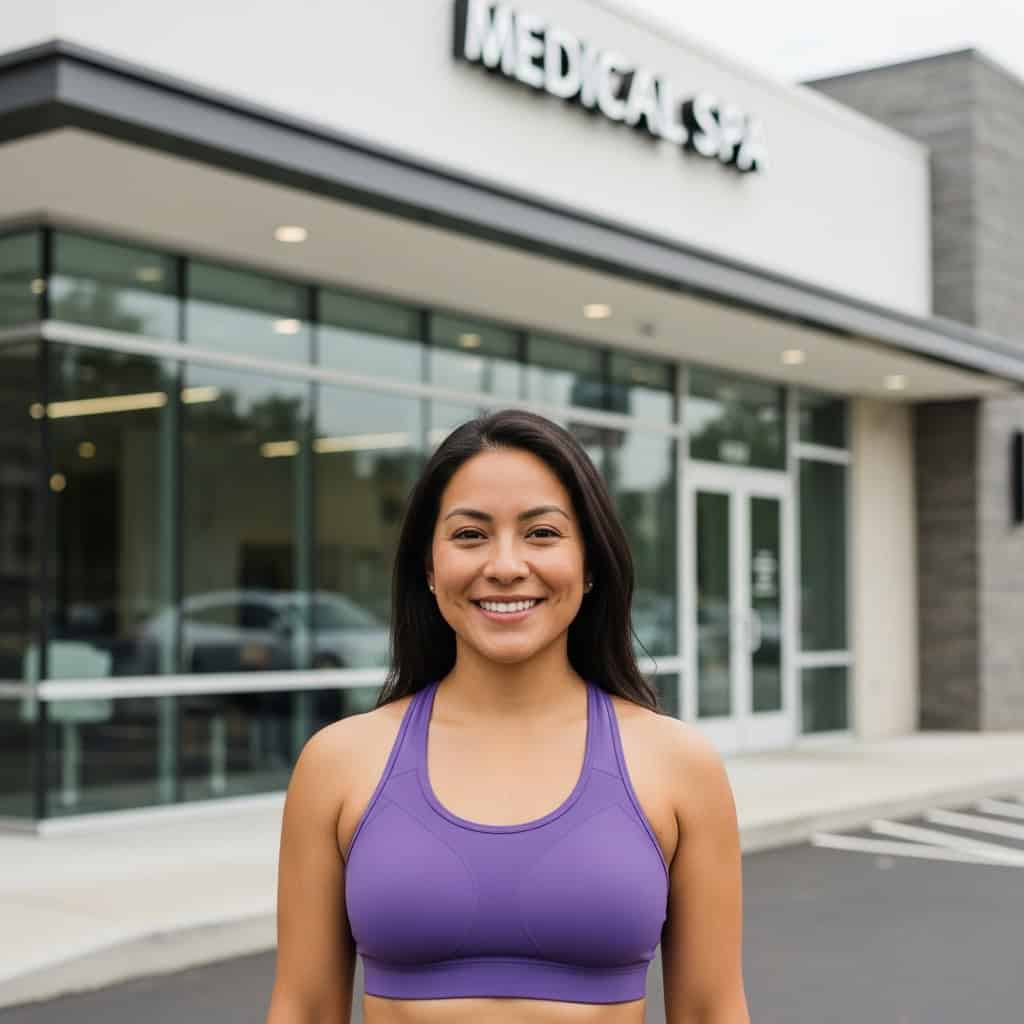
You know that feeling when you’re standing in your closet at 7 AM, holding up three different outfits, and none of them feel… right? Not because they don’t fit – well, maybe that’s part of it – but because you’re just tired of feeling like you’re fighting your own body every single day.
Sarah felt exactly that way last March. She’d been living in Sunnyvale for eight years, had tried every diet app on her phone (twice), and was honestly getting a little desperate. The thing is, Sarah wasn’t looking for some miracle cure or celebrity trainer. She just wanted someone who actually understood that losing weight isn’t just about willpower and kale smoothies.
Here’s what nobody talks about: weight loss isn’t a solo sport. Yet somehow, we’ve all been conditioned to think we should figure it out ourselves. Download an app, buy a book, watch some YouTube videos… and when it doesn’t work? Well, clearly we just didn’t want it badly enough, right?
Wrong. So completely wrong.
The truth – and this might sting a little – is that sustainable weight loss requires ongoing support. Not the kind where someone cheers you on from the sidelines occasionally, but real, consistent, professional guidance that adapts as you change. Because here’s the thing about bodies: they’re sneaky. They adapt. They plateau. They throw curveballs just when you think you’ve got everything figured out.
That’s where medical weight loss clinics come in, and if you’re in Sunnyvale, you’re actually in a pretty great spot for this. These aren’t your typical “here’s a meal plan, good luck” kind of places. We’re talking about clinics where actual medical professionals – doctors, nurse practitioners, registered dietitians – work with you week after week, month after month.
Think of it like having a personal trainer for your metabolism… except they went to medical school.
Now, I know what you might be thinking. “Medical weight loss” sounds expensive. Intimidating. Maybe a little too serious for someone who just wants to feel comfortable in their jeans again. But here’s what I’ve learned after years of working with people in exactly your situation: the medical approach isn’t about making weight loss more complicated – it’s about making it more effective.
Because let’s be honest – you’ve probably tried the DIY approach already. Maybe several times. And if you’re reading this, it probably didn’t stick the way you hoped it would. That doesn’t make you a failure. It makes you human.
The clinics here in Sunnyvale that really get it… they understand that your relationship with food didn’t develop overnight, and it’s not going to change overnight either. They know that your work schedule, your family obligations, that weird thing your thyroid does, your medication side effects – all of that matters. They’re not trying to fit you into some one-size-fits-all program.
What we’re going to explore in this article isn’t just a list of clinics with good Google reviews (though we’ll definitely cover the standouts). We’re going to dig into what “ongoing support” actually looks like in practice. Because saying you provide support and actually providing it? Two very different things.
You’ll learn how to spot the difference between a clinic that’s genuinely invested in your long-term success and one that’s just trying to sell you a quick fix. We’ll talk about what questions to ask during consultations – the ones that reveal whether they understand the difference between losing weight and keeping it off.
And yes, we’ll get practical. Insurance coverage, scheduling flexibility, what happens when life gets messy and you miss appointments… because that stuff matters when you’re trying to build lasting habits.
Most importantly, we’ll help you figure out if medical weight loss support is right for you right now. Because timing matters, and being ready for ongoing support looks different for everyone.
The bottom line? You don’t have to figure this out alone anymore. And in Sunnyvale, you definitely don’t have to.
What Makes Medical Weight Loss Different from Everything Else You’ve Tried
Here’s the thing about weight loss clinics – they’re not just fancy gyms with meal plans. Think of it like the difference between trying to fix your car with YouTube videos versus taking it to a mechanic who actually knows what’s under the hood.
Medical weight loss clinics have doctors, nurse practitioners, and registered dietitians who understand that your body isn’t just a simple calories-in-calories-out machine. It’s more like… well, imagine trying to conduct an orchestra where some instruments are out of tune, the sheet music keeps changing, and half the musicians are dealing with stage fright. That’s your metabolism, hormones, genetics, and psychology all playing together.
The “medical” part means they can look at blood work, check your thyroid, assess insulin resistance, and figure out if there’s something deeper going on. Maybe you’ve been blaming willpower when really your cortisol levels are through the roof, or your insulin sensitivity is making weight loss feel impossible.
The Support System You Actually Need
You know that friend who always says “just eat less and move more”? Yeah, they mean well, but… that’s like telling someone with a broken leg to “just walk it off.”
Real ongoing support looks different. It’s having someone who gets why you ate that entire sleeve of crackers at 9 PM (stress eating is real, and it’s not a character flaw). It’s having a team that adjusts your plan when life happens – because life always happens. Job changes, family stress, hormonal shifts, plateaus that make you want to throw your scale out the window.
The best clinics understand that weight loss isn’t a straight line. It’s more like a GPS that keeps saying “recalculating route” – except instead of getting annoyed, your support team helps you navigate the detours.
Why Your Past Attempts Might Have Failed (Spoiler: It Wasn’t Your Fault)
Let’s be honest about something that might sting a little – most people regain weight within two years. But here’s what’s counterintuitive: it’s often not because they gave up or lost motivation. Your body is literally fighting against weight loss.
When you lose weight, your metabolism slows down more than it should mathematically. Your hunger hormones go haywire. Your brain starts obsessing about food. It’s like your body thinks you’re in a famine and needs to stock up for winter… even though you’re just trying to fit into your jeans from college.
This is why going it alone rarely works long-term. You need people who understand these biological realities and can help you work with your body instead of against it.
The Science Behind Medical-Grade Support
Medical weight loss clinics have tools that your standard gym or app can’t offer. We’re talking prescription medications that can help with appetite control or metabolic function. Body composition analysis that shows you’re building muscle even when the scale isn’t budging (which, by the way, is incredibly frustrating but actually good news).
Some clinics offer newer treatments like GLP-1 or other GLP-1 medications – think of these as giving your satiety signals a megaphone so your brain actually hears when you’re full. Others might focus on hormone optimization or addressing underlying conditions like sleep apnea that make weight management nearly impossible.
The key is personalization. Cookie-cutter approaches work about as well as… well, cookies when you’re trying to lose weight.
What “Ongoing” Really Means
Here’s where a lot of people get tripped up. They think of weight loss as a project with a finish line. But maintaining a healthy weight? That’s more like brushing your teeth – it’s just something you do consistently over time.
Ongoing support means having someone to call when you hit a plateau at month six. It means adjusting your approach when you go through menopause, or when your medication changes, or when your job gets stressful and suddenly you’re stress-eating again.
The best clinics treat this like a long-term relationship, not a quick transaction. They’re there for the victories and the setbacks, the “aha!” moments and the “I want to quit” days. Because honestly? Both are part of the process, and pretending otherwise just sets everyone up for disappointment.
The Real Deal on What “Ongoing Support” Actually Means
Here’s what most people don’t realize when they’re clinic shopping – “ongoing support” can mean anything from a monthly check-in call to having someone literally walk you through the grocery store. You want to know the specifics before you commit.
The best clinics? They’re offering weekly or bi-weekly appointments in your first few months, then gradually spacing them out as you build confidence. But here’s the kicker – they should also have same-day or next-day availability when you hit those inevitable rough patches. Because let’s be honest, your motivation doesn’t crash on a convenient Tuesday at 2 PM.
Ask about their communication policy too. Can you text your coordinator when you’re standing in front of the office vending machine having a moment? Some clinics offer secure messaging apps, others stick to phone calls. Figure out what matches how you actually communicate.
The Support Team You Actually Need (Not Just Who They Advertise)
Most clinics will tout their medical director and registered dietitians – which is great, don’t get me wrong. But the person who’s going to make or break your experience? That’s usually your patient coordinator or health coach.
This is the person you’ll talk to most often, who remembers that you hate meal prep but love your Thursday tennis game. They should know your kids’ names, your work schedule, and why you stress-eat during quarterly reports. If you’re getting passed around between different coordinators every visit… that’s not ongoing support, that’s ongoing confusion.
Here’s a sneaky question to ask during your consultation: “Who will I be working with day-to-day, and how long have they been with the clinic?” High turnover in support staff is a red flag. You want someone who’s going to stick around long enough to actually know you.
The Technology That Actually Helps (And What’s Just Flashy Marketing)
Every clinic these days has an app. Some are genuinely helpful – they let you log meals, track progress, message your team, and schedule appointments. Others are basically expensive digital business cards that crash every other week.
The gold standard? An app where you can take a photo of your dinner and get feedback within 24 hours. Or better yet, real-time support during those 7 PM “what should I eat for dinner” panics. Some Sunnyvale clinics are using platforms that integrate with your fitness tracker, so your team can see when your stress levels spike or your sleep goes haywire.
But honestly? Sometimes the low-tech approach works better. One clinic I know sends their patients a simple daily text check-in. No fancy interface, just “How are you feeling today?” with response options. The 90% response rate speaks for itself.
The Fine Print on “Lifetime Support” Claims
Oh, this one gets me every time. Clinics love advertising lifetime support, but read the fine print carefully. Some mean you can always call – which sounds great until you realize there’s a $75 consultation fee every time you do.
Others offer lifetime access to their maintenance program, but that might just be monthly weigh-ins with a nurse who barely remembers your name. The best setup? Graduated support that includes periodic check-ins at no extra cost, plus the ability to “step up” your support level during challenging times – holidays, job changes, family stress – for a reasonable fee.
Here’s what to ask: “If I reach my goal weight and then gain back 10 pounds two years later, what exactly happens? What does it cost?” Get that answer in writing.
Making the Support Actually Work for Your Real Life
The most beautiful support system in the world won’t help if it doesn’t fit your schedule. If you work nights, you need a clinic that offers evening appointments or flexible virtual check-ins. If you travel constantly, you need someone who can troubleshoot airport food choices over text, not someone who only does in-person weigh-ins.
And here’s something nobody talks about – what happens when you’re doing really well? Some people actually need more support during success phases because the fear of losing progress creates its own stress. Good ongoing support adapts to where you are, not just where the program thinks you should be.
The bottom line? Real ongoing support feels less like a medical appointment and more like having a knowledgeable friend who’s genuinely invested in your success. If you’re getting that vibe during your consultation, you’re probably in the right place.
The Scale Isn’t Moving (Even When You’re Doing Everything “Right”)
Let’s talk about that moment when you’ve been following your plan for three weeks, and the scale… just sits there. Mocking you. It’s like your body decided to throw a tantrum and refuse to cooperate, even though you’ve been tracking every bite and showing up for your appointments.
Here’s what’s actually happening – your body is smarter than we give it credit for. It adapts. Water retention fluctuates. Muscle builds while fat disappears, but the scale can’t tell the difference. That’s why the best clinics track more than just weight – measurements, energy levels, how your clothes fit, even how you sleep.
The solution? Trust the process longer than feels comfortable. Most people quit right before their breakthrough. Your care team has seen this pattern hundreds of times – they know when to adjust your plan and when to stay the course.
Food Pushers, Office Treats, and Social Pressure
You know exactly what I’m talking about. Your coworker who insists you “just have a small piece” of birthday cake. The friend who takes it personally when you order a salad instead of splitting nachos. Family dinners where saying no to seconds feels like rejecting someone’s love.
It’s exhausting to constantly defend your choices, isn’t it? You start feeling like the food police are watching your every move, while simultaneously feeling guilty for wanting to stick to your plan.
The real solution isn’t learning to say no better – though that helps. It’s having responses ready that don’t make you the villain. “I’m saving room for later” works better than “I can’t eat that.” “I’m not hungry right now” beats explaining your entire weight loss strategy to your mother-in-law.
Your support team can help you practice these conversations. Seriously – role-playing awkward family dynamics might feel silly, but it works.
The Weekend Warrior Syndrome
Monday through Thursday? You’re a weight loss rockstar. But Friday rolls around and suddenly you’re face-deep in pizza, telling yourself you’ll “start fresh Monday.” Sound familiar?
This isn’t a willpower problem – it’s a planning problem. Weekends have different rhythms, different temptations, less structure. Your weekday routine that works so well completely falls apart when Saturday morning hits and you’re staring at an unscheduled day.
The fix involves building weekend-specific strategies. Maybe that’s meal prepping differently, scheduling one indulgent meal instead of two days of chaos, or finding new weekend activities that don’t revolve around food. Your clinic team can help you design a weekend game plan that actually fits your life.
When Life Happens (And Your Plan Goes Out the Window)
Work gets crazy. Kids get sick. Your car breaks down. Life has this annoying habit of not caring about your weight loss timeline, and suddenly you’re back to eating convenience store dinners and skipping appointments.
Here’s something most people don’t realize: the goal isn’t perfection during chaos – it’s damage control. Your clinic team isn’t expecting you to maintain perfect habits during a family crisis. They’re there to help you navigate the rough patches without completely derailing.
This might mean simplified meal options, modified exercise plans, or just more frequent check-ins during stressful periods. Good clinics build flexibility into their programs because they know life isn’t linear.
The Comparison Trap
Sarah lost 15 pounds her first month. Your neighbor dropped two dress sizes in six weeks. And you? You’re losing steadily but slowly, watching everyone else seem to have an easier time.
Comparison really is the thief of joy, but it’s also completely natural. We can’t help but measure our progress against others’. The problem is, you’re seeing everyone else’s highlight reel while living your own behind-the-scenes struggle.
Your clinic team sees the full picture – your starting point, your medical history, your lifestyle constraints. They can remind you that your pace is exactly right for your body and circumstances. Sometimes the “slow” losers are the ones who keep it off long-term.
The real solution? Focus on your own data points. How’s your energy? Your sleep? Your relationship with food? These victories matter more than the number on someone else’s scale.
What to Expect in Your First Month
Starting a medical weight loss program isn’t like flipping a switch – it’s more like tuning an orchestra. Everything needs to work together, and honestly? The first few weeks can feel a bit chaotic.
You’ll probably have an initial consultation where they’ll run through your medical history, maybe order some lab work, and discuss realistic goals. Don’t be surprised if they suggest starting slower than you’d hoped. I know you want to lose 30 pounds by your cousin’s wedding next month, but your body – and your metabolism – need time to adjust.
Most people see some initial weight loss in the first two weeks, but here’s the thing… a lot of that is water weight. It’s still loss, and it counts, but don’t expect that rapid pace to continue forever. Your body’s smarter than that.
The Reality Check You Need to Hear
Look, I’m going to be straight with you because sugar-coating expectations doesn’t help anyone. Medical weight loss typically means losing 1-2 pounds per week once you hit your stride. Some weeks you’ll lose more, some weeks the scale won’t budge at all (and you’ll want to throw it out the window – totally normal).
The clinic will likely adjust your plan every few weeks based on how you’re responding. Maybe they’ll tweak your medication dosage, suggest different meal timing, or add in some new strategies. This isn’t because something’s wrong – it’s because they’re paying attention.
You might feel amazing some days and completely drained others. Your appetite could disappear entirely, then come roaring back. These fluctuations? They’re part of the process, not signs of failure.
Building Your Support Network
The ongoing support aspect is where medical weight loss clinics really shine, but you’ve got to show up for it to work. Most programs include regular check-ins – weekly at first, then maybe monthly as you establish your rhythm.
These appointments aren’t just weigh-ins (though yes, there will be scales involved). You’ll discuss what’s working, what isn’t, and how to navigate the inevitable bumps in the road. Maybe you’ll discover that you’re an emotional eater who struggles after stressful work meetings, or that your weekend social life revolves entirely around food and drinks.
The support staff – nutritionists, nurses, sometimes counselors – they’ve heard it all before. That embarrassing fast-food binge? They won’t judge. The week you “forgot” to take your medication because you were secretly testing if you really needed it? Yeah, they’ve seen that too.
Monthly Milestones and Adjustments
Most clinics operate on monthly review cycles, and this is where the magic happens – or doesn’t, which is also valuable information. They’ll look at your weight trends, but also energy levels, sleep quality, how your clothes fit, and whether you’re sticking to the plan they’ve outlined.
Don’t panic if month two doesn’t look like month one. Weight loss isn’t linear – it’s more like a bumpy slide downward with some annoying plateaus thrown in. Actually, plateaus often mean your body is catching up, redistributing, getting stronger. It’s not always a bad thing, even though it feels frustrating.
Preparing for Long-term Success
Here’s what most people don’t realize when they start: the real work begins after you’ve lost the weight you wanted to lose. Maintenance is its own challenge, and a good clinic will start preparing you for that phase long before you reach your goal.
They might introduce you to gradually increasing your caloric intake, or help you transition from medical supervision to more independence. Some programs offer maintenance phases with less frequent check-ins – monthly instead of weekly, or quarterly for people who’ve maintained their loss for a while.
The truth is, most people need ongoing support longer than they initially think. There’s no shame in continuing to check in with your clinic even after you’ve reached your goals. Think of it like having a mechanic for your car – regular tune-ups prevent bigger problems down the road.
Setting Realistic Expectations
Give yourself at least six months to see significant, sustainable changes. Not just in the number on the scale, but in how you think about food, handle stress, and navigate social situations. The clinics that promise rapid transformations? They’re usually selling something that won’t stick.
Your new relationship with food and your body – that’s what you’re really building here.
You know what I keep hearing from people who’ve struggled with their weight for years? It’s not just about the pounds on the scale – though those matter too. It’s about feeling like you’re finally working *with* your body instead of against it. And honestly? That’s exactly what you get when you find the right support system here in Sunnyvale.
Finding Your People Makes All the Difference
Look, we’ve all been there – standing in front of the bathroom mirror, making promises to ourselves that we’re going to “do better this time.” But here’s the thing I’ve learned after working with countless people on their health journeys… willpower alone isn’t enough. You need people in your corner who understand the science, sure, but who also get the emotional roller coaster that comes with changing your relationship with food and movement.
That’s what sets a good weight loss clinic apart from the endless cycle of DIY attempts. When you’re working with medical professionals who specialize in this stuff, you’re not just getting a meal plan and crossing your fingers. You’re getting someone who can adjust your approach when life throws you a curveball (and it will), who celebrates those non-scale victories with you, and who – this is huge – doesn’t make you feel like a failure when progress isn’t linear.
The Support That Actually Sticks
I think what surprises people most about working with a medical weight loss team is how… normal it feels? You’re not walking into some sterile environment where they lecture you about calories. Instead, you’re having real conversations about why you eat when you’re stressed, or how to navigate your kid’s birthday party without feeling deprived, or what to do when your energy crashes at 3 PM.
And the ongoing support piece? That’s where the magic really happens. Because let’s be honest – you can white-knuckle your way through a few weeks of strict eating, but sustainable change? That takes time, patience, and people who stick with you through the messy middle parts.
Your Next Step Doesn’t Have to Be Perfect
Maybe you’re reading this thinking, “This sounds great, but I’m not sure I’m ready” or “What if I fail again?” First off – that little voice of doubt? Totally normal. We all have it. But here’s what I want you to consider: what if this time could be different not because you’re more motivated (though you might be), but because you finally have the right tools and support system?
You don’t need to have it all figured out before you make that first call. You don’t need to wait until Monday, or after the holidays, or when your schedule calms down… because honestly, when does life ever really calm down?
The teams here in Sunnyvale – they’ve seen it all, and they’re genuinely good at meeting you wherever you are right now. Skeptical? Overwhelmed? Ready to try but scared to hope? They get it.
So if something about this resonates with you, why not reach out? Even if it’s just to ask questions, get more information, or see what your options look like. No pressure, no judgment – just real people who happen to be really good at helping other real people feel better in their bodies.
You deserve support. You deserve to feel good. And you definitely deserve to work with people who believe both of those things are possible for you.