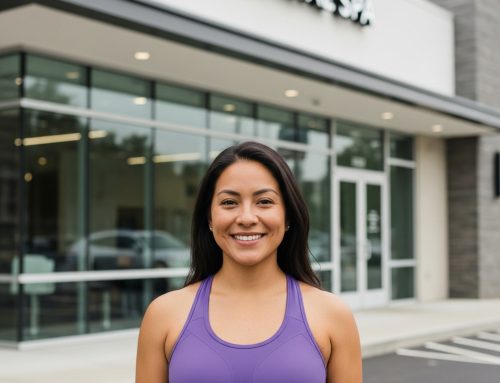
Weight Loss Injections in Sunnyvale for Fast, Sustainable Results

You know that moment when you’re standing in your closet, holding up a pair of jeans that used to fit perfectly? Maybe it was just six months ago – or maybe it feels like a lifetime. You’re doing that little dance we all do… pulling the waistband, checking if maybe – just maybe – they shrunk in the wash. But deep down, you know the truth.
And then comes the spiral. You’ve tried everything, haven’t you? Those meal replacement shakes that taste like chalky disappointment. The gym membership you swore would change everything (it’s collecting dust, isn’t it?). That trendy diet your coworker raved about – the one that had you eating nothing but cabbage soup for a week before you cracked and ordered pizza at 11 PM.
Here’s the thing that nobody talks about in those glossy before-and-after ads: willpower isn’t broken equipment you can just fix with the right manual. Your body has its own agenda, and sometimes… well, sometimes it feels like it’s actively working against you.
If you’re reading this in Sunnyvale – maybe during your lunch break, maybe late at night when everyone else is asleep – you’re probably exhausted. Not just tired from another failed attempt at getting healthy, but truly exhausted from the constant mental chatter. The negotiations with yourself every time you pass a mirror. The way you automatically angle your body in photos. The carefully chosen outfits designed to hide rather than highlight.
You’re smart enough to know that quick fixes don’t work. You’ve been burned before by promises of “lose 30 pounds in 30 days!” But you’re also human enough to want… well, to want something that actually works. Something that doesn’t require the discipline of a Navy SEAL or the metabolism of your 22-year-old self.
What if I told you there’s a middle ground? Not some miracle cure (those don’t exist), but not another soul-crushing cycle of restriction and guilt either.
Weight loss injections – and before you roll your eyes, hear me out – aren’t about taking shortcuts. They’re about leveling a playing field that was never really fair to begin with. Think of it like this: if your car’s engine wasn’t running properly, you wouldn’t just try harder to press the gas pedal. You’d fix the engine.
These aren’t the sketchy injections your aunt’s friend’s cousin tried in some strip mall clinic. We’re talking about FDA-approved medications that work with your body’s natural systems – the same ones that regulate hunger, satiety, and how your body processes food. It’s like having a really good conversation with your metabolism instead of constantly fighting with it.
Now, I’m not saying you can inject your way to health while living on donuts and Netflix binges. That’s not how any of this works, and anyone who tells you otherwise is selling you something sketchy. But what if the constant battle against your own appetite could quiet down to a manageable whisper? What if you could make reasonable food choices without feeling like you’re clawing your way through quicksand?
In Sunnyvale, you’ve got access to some pretty incredible medical weight loss programs that combine these medications with real support – the kind where someone actually listens when you say you’ve tried everything. Where they understand that your relationship with food is complicated, and that shame has never been a useful weight loss tool.
Over the next few minutes, we’re going to talk about how these injections actually work (spoiler: it’s not magic, it’s science). We’ll cover what you can realistically expect – both the exciting parts and the less glamorous bits nobody mentions. You’ll learn about different types of medications, what the process looks like, and how to spot the difference between legitimate medical care and expensive false promises.
Most importantly, we’ll talk about whether this might be right for you. Because here’s what I know after years in this field: there’s no one-size-fits-all solution, but there might just be a you-sized one waiting.
So grab that cup of coffee (or tea, or whatever gets you through the afternoon), and let’s have an honest conversation about what’s possible when you stop fighting your body and start working with it instead.
The Science Behind Weight Loss Injections (Don’t Worry, We’ll Keep This Simple)
Okay, let’s talk about how these injections actually work – because honestly, when I first learned about them, my brain went “wait, what?” It seems almost too good to be true that a weekly shot could change how your body handles hunger and food. But here’s the thing… it’s not magic. It’s your body’s own messaging system getting a little help.
Think of your digestive system like a busy restaurant kitchen. When you eat, your intestines start sending out hormones – little chemical messengers – that basically shout “Hey brain! We’ve got food down here!” These hormones, with names like GLP-1 and GIP (I know, sounds like alphabet soup), tell your brain you’re getting full and should probably stop eating that third slice of pizza.
The problem is, some of us have kitchens where the messaging system is… well, let’s say the phones aren’t working great. The “I’m full” signals are weak, delayed, or sometimes don’t make it to the brain at all. That’s where weight loss injections come in – they’re basically signal boosters for your body’s natural fullness hormones.
What Actually Happens When You Get These Injections
The most common weight loss injections we use contain medications like GLP-1 or GLP-1. These aren’t foreign substances – they’re synthetic versions of hormones your body already makes. It’s like giving your digestive system a really good megaphone.
When you get the injection, these medications do a few things that honestly still amaze me
They slow down how fast food leaves your stomach. I like to think of it as your stomach becoming a more thoughtful eater – it takes its time, savors the moment, doesn’t rush through meals. This means you feel full longer and aren’t immediately hunting for snacks an hour later.
They also turn down the volume on food noise in your brain. You know that constant mental chatter about what you’re going to eat next, or how good those cookies would taste right now? Many patients tell me it’s like someone finally gave them a remote control for those thoughts.
The Counterintuitive Part That Confuses Everyone
Here’s where it gets weird (and I’ll admit, this puzzled me at first too): these medications don’t just suppress appetite. They seem to change your relationship with food entirely. Patients don’t just eat less – they often stop craving the foods that used to call their names from the pantry.
It’s not willpower. It’s not discipline. It’s your brain chemistry literally changing how it responds to food cues. Some people describe it as finally having a normal “off switch” for eating – something they didn’t even realize they were missing.
Why Sunnyvale Patients Are Seeing Such Good Results
Living here in the Bay Area, we’re surrounded by food culture that’s… complicated. Amazing restaurants everywhere, food trucks on every corner, work stress that drives emotional eating, and let’s be honest – portion sizes that would make our grandparents’ heads spin.
These injections seem particularly effective for people dealing with what I call “modern eating challenges.” The medications help level the playing field when you’re facing trigger foods, stress eating, or social situations where food is everywhere.
The Sustainability Question Everyone Asks
“But what happens when I stop taking them?” This is probably the most common question we get, and it’s a fair one. The research shows that many people maintain significant weight loss even after stopping the medications, especially when they’ve used that time to build new habits and reset their relationship with food.
Think of it like training wheels on a bike. The injections give you stability while you’re learning new patterns – how to recognize true hunger, how to stop when satisfied, how to navigate social eating situations. Some people choose to stay on a maintenance dose long-term, others transition off completely. Both approaches can work.
The key is using this time wisely – not just relying on the medication to do all the work, but actively building the lifestyle changes that will serve you long after the injection effects wear off. It’s not about perfection… it’s about progress and finding what actually works for your life.
Start With Your Doctor’s Game Plan – Don’t Wing It
Look, I get it. You’re excited about starting weight loss injections, and you want to see results yesterday. But here’s the thing – your success isn’t just about the shot itself. It’s about how you work with your medical team from day one.
Before your first injection, ask your doctor these specific questions (trust me, write them down): What’s your target weekly weight loss? How often will they adjust your dosage? What side effects should you actually worry about versus the ones that are just… well, annoying but normal?
And here’s something most people don’t think about – ask about timing. Some patients do better with morning injections, others prefer evening. Your doctor might have insights based on your specific medication and lifestyle.
The Food Strategy That Actually Works
Here’s where most people mess up – they think the injection does all the work. Wrong. The medication helps control your hunger, but you still need to be smart about what you eat.
Start with the “plate method” but make it foolproof. Fill half your plate with non-starchy vegetables (think broccoli, spinach, bell peppers – not corn or potatoes). One quarter goes to lean protein. The last quarter? That’s your complex carbs.
But here’s the secret sauce… literally. Keep a bottle of hot sauce, lemon juice, or herb blends handy. When food tastes bland (which can happen with reduced appetite), you’re more likely to reach for processed junk. A little flavor goes a long way in keeping you satisfied with healthy choices.
Oh, and about portions – your appetite will naturally decrease, but don’t force tiny meals if you’re still genuinely hungry. Listen to your body, but eat slowly. It takes about 20 minutes for your brain to catch up with your stomach.
Hydration Isn’t Just About Water
Everyone tells you to drink more water. Boring advice, right? But here’s what they don’t tell you – proper hydration actually helps the medication work better and reduces some side effects.
Start your day with 16-20 ounces of water before anything else. Keep a water bottle that you actually like using (sounds silly, but it matters). Add electrolytes if you’re experiencing nausea – sometimes it’s actually mild dehydration in disguise.
Coffee and tea count toward your fluid intake, but here’s a pro tip: if you’re getting nauseous, try herbal teas like ginger or peppermint. They’re gentle on your stomach and can actually help settle things down.
Managing Side Effects Like a Pro
Let’s be real about side effects. You might feel nauseous, especially in the first few weeks. You might feel tired. Your digestion might get… interesting.
For nausea, eat smaller, more frequent meals. Keep crackers by your bed – seriously. If you wake up feeling queasy, nibble a few before getting up. Avoid fatty or spicy foods during the first month while your body adjusts.
If you’re dealing with constipation (it happens), increase your fiber gradually – not all at once. Add a tablespoon of ground flaxseed to your morning smoothie, or try chia seeds in yogurt. And move your body, even if it’s just a 10-minute walk after meals.
The Monitoring System You Need
Track three things, but make it simple. Weight? Obviously. But also track your energy levels (scale of 1-10 each day) and how you’re sleeping. These often change before the scale does, and they’re good indicators of how your body is responding.
Use your phone’s photo feature to track meals for the first month. Not for calorie counting – just to see patterns. You might notice you eat differently on stressful days or that certain foods trigger cravings.
Building Your Support Network
This isn’t a solo journey, despite what Instagram might tell you. Connect with your clinic’s support groups if they offer them. Join online communities, but be selective – look for groups that focus on sustainable habits, not quick fixes.
Tell your close friends and family what kind of support you need. Maybe it’s not commenting on your food choices. Maybe it’s being your walking buddy. Maybe it’s just… not bringing donuts to family dinner for a while.
Remember, weight loss injections are a tool – a really effective one – but they work best when you use them strategically. Be patient with the process, stay consistent with your medical appointments, and trust that sustainable results take time to build.
When the Scale Stops Moving (Even Though You’re Doing Everything Right)
Let’s talk about that moment when you’ve been faithful with your injections, you’re eating well, and then… nothing. The scale just sits there, mocking you. It’s like your body decided to stage a protest, and honestly? This happens to almost everyone.
Your metabolism is basically a smart little detective – it figures out what you’re doing and adjusts accordingly. Think of it like your phone’s battery saver mode. When it senses you’re losing weight, it can slow things down to conserve energy. Frustrating? Absolutely. Normal? Unfortunately, yes.
The solution isn’t to panic or double your dose (please don’t). Instead, this is when we might adjust your injection timing, tweak your meal composition, or add some strength training to wake up that stubborn metabolism. Sometimes your body just needs a gentle nudge in a different direction.
The Social Minefield of Eating Out
Oh, the restaurant situation. You know the drill – you’re finally feeling confident about your progress, then comes the invitation to dinner. Suddenly you’re staring at a menu where even the salads seem to have 800 calories, and your well-meaning friend is pushing the breadbasket your way.
Here’s what I tell my patients: you don’t have to become a hermit. But you do need a game plan. Look at the menu online beforehand – most places post nutrition info these days. Decide what you’re going to order before you even sit down, because willpower gets wobbly when you’re hungry and everyone else is ordering the pasta special.
And that friend pushing food? A simple “I’m managing some health stuff right now” usually does the trick. You don’t owe anyone a detailed explanation about your weight loss journey.
When Your Family Becomes the Food Police
This one’s tricky. Your spouse notices you’re eating differently and suddenly becomes a nutrition expert overnight. Or maybe it’s the opposite – they feel threatened by your changes and start bringing home your favorite cookies “just because.” Family dynamics around food are… complicated.
Sometimes the people closest to us struggle with our changes because, well, change is scary. Even positive change. They might worry you’re becoming “different” or feel guilty about their own eating habits when they see you making healthier choices.
The key is communication without being preachy. Share what you’re doing and why, but don’t become the family food evangelist. And if someone’s actively sabotaging your efforts? That’s a conversation worth having, probably with some professional guidance.
The Plateau That Never Seems to End
Plateaus are like that houseguest who overstays their welcome – they show up uninvited and refuse to leave. You might lose steadily for weeks, then hit a wall that feels insurmountable. Your clothes still fit the same, the measurements haven’t budged, and you’re starting to wonder if this whole thing was a mistake.
Here’s the thing about plateaus – they’re not always what they seem. Sometimes your body is busy doing other important work, like building muscle or adjusting to your new normal. Sometimes you’re losing fat but retaining water. And sometimes… yeah, sometimes it’s a real plateau that needs addressing.
This is where having a knowledgeable medical team makes all the difference. We can look at your whole picture – sleep, stress, hormones, activity levels – and figure out what’s actually happening. Maybe we need to adjust your injection protocol, maybe we need to shake up your exercise routine, or maybe we just need to wait it out with some strategic tweaks.
Managing Expectations vs. Reality
Social media doesn’t help here. You see these dramatic before-and-after photos, and suddenly your steady two-pound weekly loss feels… inadequate. But real, sustainable weight loss? It’s messier than Instagram suggests. There are ups and downs, weeks where nothing happens, weeks where everything clicks into place.
The solution is keeping your eyes on your own paper, so to speak. Track your own trends, celebrate your own victories – even the small ones. That energy boost you’re feeling? That’s huge. The fact that you’re not thinking about food every five minutes? Also huge. The scale is just one piece of data in a much bigger story.
What to Expect in Your First Few Weeks
Let’s be honest – you’re probably wondering when you’ll start seeing changes. It’s totally normal to feel a mix of excitement and… well, impatience. Most people notice appetite changes within the first week or two. You might find yourself naturally eating smaller portions, or that nagging voice in your head constantly thinking about food starts to quiet down a bit.
Weight loss? That usually kicks in around week 2-4. And here’s the thing – it might not be dramatic at first. We’re talking 1-3 pounds in those early weeks, which I know can feel disappointing when you see those viral before-and-after posts on social media. But remember, your body is learning a new rhythm. Think of it like breaking in a new pair of shoes – everything needs time to adjust.
Some folks experience mild nausea initially (especially if we increase the dose too quickly), but this typically settles down as your body adapts. Actually, that reminds me – this is exactly why we start with a lower dose and gradually work up. Your comfort matters just as much as your results.
The Real Timeline for Meaningful Results
Here’s what we’ve seen with most of our patients: noticeable weight loss usually becomes apparent around the 8-12 week mark. By “noticeable,” I mean the kind of changes where people start commenting, or your clothes feel genuinely different – not just wishful thinking different.
Significant results? We’re typically looking at 3-6 months for those. The research shows people lose an average of 15-20% of their body weight over this timeframe, but – and this is important – that’s an average. Some people see more, some see less. Your starting weight, how your body responds to the medication, lifestyle factors… it all plays a role.
Don’t get discouraged if your friend seems to be losing faster than you. Bodies are weird and wonderful and completely individual. I’ve had patients who were slow starters but then had amazing results months 4-6, while others saw great initial progress that then plateaued before picking up again.
Your Support System Along the Way
You won’t be doing this alone – not even close. We’ll see you every 4 weeks initially to check in, adjust dosing if needed, and address any questions or concerns. These aren’t just “weigh-in” appointments either. We’re talking about how you’re feeling, what’s working, what’s challenging, and fine-tuning your approach.
Between appointments, our team is available for questions. Having trouble with nausea? Concerned about side effects? Not sure if what you’re experiencing is normal? Just call. Seriously. We’d rather hear from you ten times about small things than have you struggle silently with something we could easily address.
Many of our patients also find connecting with others going through the same experience incredibly helpful. While everyone’s path is different, there’s something reassuring about hearing “oh yeah, I felt that way too” from someone who gets it.
Planning for Long-Term Success
Here’s something worth thinking about early on: these medications work best as part of a bigger picture. While you’re adjusting to the medication, we’ll also be talking about sustainable eating patterns, movement that feels good to you, stress management… the whole nine yards.
You might be thinking, “But I thought the injection would handle all that?” Well, it handles the hardest part – that constant mental battle with cravings and appetite. But building healthy habits while your appetite is managed? That’s setting yourself up for lasting success, even if you eventually decide to stop the medication.
We’ll also be monitoring your progress beyond just the scale. How’s your energy? Sleep quality? Mood? Joint pain? Sometimes the non-weight victories are just as meaningful – or even more so.
Moving Forward with Confidence
The most important thing right now? Give yourself permission to trust the process. This isn’t a sprint, and it’s definitely not a perfect linear path downward on the scale. Some weeks will feel amazing, others might feel frustrating. That’s completely normal.
Focus on how you’re feeling day-to-day rather than just the number on the scale. Are you thinking about food less? Feeling more in control around meals? Sleeping better? These are all signs that things are working, even if the scale hasn’t caught up yet.
Your next step is simple: take the medication as prescribed, keep your upcoming appointment, and be patient with yourself. Real, lasting change takes time – but you’re already on your way.
Your Next Step Forward
You know what? Making the decision to explore weight loss injections isn’t just about the scale – though goodness knows that’s important too. It’s about finally having a tool that works *with* your body instead of against it. And honestly, after years of watching patients struggle with diets that felt impossible to maintain, it’s refreshing to offer something that actually… well, works.
The thing about these medications is they’re not magic bullets (wouldn’t that be nice?), but they’re pretty darn close to giving you a fair fight. Think of them like having a really good teammate – someone who’s got your back when the cravings hit at 3 PM, or when that voice in your head starts its usual commentary about why you should just give up.
Here in Sunnyvale, we’ve seen so many people rediscover what it feels like to have control over their appetite again. Sarah, one of our patients, told me last week that she finally feels like herself again – not the person constantly battling food thoughts, but the person who can focus on her kids, her work, her life. That’s the real victory, isn’t it?
But here’s what I want you to remember as you’re thinking about this: you don’t have to figure this out alone. The medical landscape around these treatments is evolving rapidly – new options, different dosing strategies, better ways to minimize side effects. What worked (or didn’t work) for your friend might be completely different from what’s right for you.
That’s where having an experienced medical team becomes invaluable. We’re not just prescribing medication and sending you on your way. We’re talking about your sleep patterns, your stress levels, how your body responds to different approaches. Sometimes it’s adjusting the dose, sometimes it’s switching medications, sometimes it’s addressing that underlying insulin resistance that’s been sabotaging your efforts for years.
And listen – if you’re sitting there thinking “but what if it doesn’t work for me?” I get it. Really. After so many disappointments, it’s hard to hope again. But what if it does? What if this is the missing piece you’ve been looking for?
The beautiful thing about starting this conversation is that there’s no pressure. No commitment beyond showing up and being honest about what you’ve tried, what’s worked, what hasn’t, and what you’re hoping for. We’ll talk through your medical history, discuss realistic expectations, and figure out if this path makes sense for you.
Your story doesn’t have to stay the same. Those pants in your closet – the ones that used to fit, that you keep meaning to donate but can’t quite let go of? They might just make a comeback. More importantly, that energy you’ve been missing, that confidence that’s been hiding… they’re waiting for you too.
If you’re curious about whether weight loss injections might be right for you, why not give us a call? We’re here to answer questions, address concerns, and help you figure out what your next chapter might look like. Because honestly? You deserve to feel good in your own skin again.