7 Benefits of Visiting a Weight Loss Clinic Near Me in Mira Lagos

You’re standing in your closet at 7:23 AM, and that familiar knot is forming in your stomach. The pants that fit perfectly three months ago? They’re mocking you from the hanger. You’ve tried everything – those meal replacement shakes that taste like chalk, the fitness app that chirps at you like an overly enthusiastic personal trainer, even that cleanse your coworker swore would “change your life” (spoiler alert: it didn’t).
Sound familiar? Yeah, I thought so.
Here’s the thing that nobody talks about… Weight loss isn’t failing because you lack willpower or because you’re “not trying hard enough.” Most of the time, it’s failing because you’re fighting this battle completely alone, armed with nothing but Google searches and conflicting advice from every corner of the internet.
I’ve been where you are. Standing in that closet, wondering when everything got so complicated. When did losing weight become this endless cycle of starting strong on Monday and face-planting into a pizza by Thursday? When did your relationship with food turn into something that feels more like a wrestling match than nourishment?
The truth is – and this might sting a little – most of us have been approaching weight loss all wrong. We treat it like it’s just about calories in, calories out. Simple math, right? Except… it’s not simple at all. Your metabolism isn’t a calculator. Your hormones don’t care about your meal plan. And your stress levels? They’re probably sabotaging every good intention you’ve ever had.
That’s where weight loss clinics come in, and I’m not talking about those fancy celebrity retreats you see in magazines. I’m talking about real, evidence-based medical support right here in places like Mira Lagos – the kind of help that actually understands what you’re dealing with.
But here’s what’s interesting (and maybe a little frustrating if you’re like me and wish you’d figured this out sooner)… most people have no idea what actually happens at a weight loss clinic. They think it’s just another diet program with a fancier name. Or they assume it’s only for people who need major surgery. Some folks even think it’s giving up – like admitting defeat.
Actually, it’s quite the opposite.
Think of it this way: if your car was making weird noises, you wouldn’t just keep driving and hope for the best, right? You’d take it to a mechanic who actually knows what’s under the hood. Your body deserves that same level of expertise, especially when it comes to something as complex as sustainable weight loss.
What we’re going to explore today is why partnering with a professional weight loss clinic near you – specifically in the Mira Lagos area – might be the missing piece you’ve been searching for. And no, this isn’t about convincing you that there’s some magic solution (because honestly, anyone promising magic is probably selling something you don’t need).
This is about understanding the real, practical benefits that come from having actual medical professionals on your team. People who understand that your weight loss journey isn’t just about the number on the scale – it’s about your energy levels, your confidence, your health markers, and yes, even your relationship with that closet situation we talked about.
We’ll look at things like personalized medical assessments that go way deeper than “eat less, move more.” We’ll talk about medication options that can actually help when your body seems to be working against you. And we’ll explore the kind of support system that doesn’t disappear the moment life gets complicated (because let’s be honest, life is always getting complicated).
You’ll also discover why having local expertise matters more than you might think, especially in an area like Mira Lagos where your clinic understands your community, your lifestyle, and the unique challenges you face.
By the time we’re done, you’ll have a clear picture of whether this approach might be right for you – no pressure, no sales pitch, just honest information to help you make the best decision for your health and your goals.
Because here’s what I believe: you deserve more than another failed attempt. You deserve support that actually works.
What Actually Happens at a Medical Weight Loss Clinic?
Let’s be honest – the term “medical weight loss clinic” can sound a bit intimidating, right? Like you’re going to walk into some sterile facility where they’ll judge your food choices and hand you a pamphlet about kale.
But here’s the thing… it’s actually more like having a really smart friend who happens to know a lot about how your body works. These clinics are staffed with doctors, nurse practitioners, and registered dietitians who understand that weight loss isn’t just about willpower or eating less. They get that your body is basically this incredibly complex machine with about a million moving parts, and sometimes those parts need a little… recalibration.
Think of it this way – you wouldn’t try to fix your car’s engine with just a YouTube video and good intentions. Your metabolism? It’s way more complicated than any engine.
The Science Behind Why Diets Keep Failing You
Here’s something that might surprise you (and honestly, it took me a while to wrap my head around this too): your body is literally designed to fight weight loss. I know, I know – it seems unfair, doesn’t it?
When you lose weight, especially quickly, your body thinks there’s a famine happening. So it cranks up your hunger hormones, slows down your metabolism, and basically goes into survival mode. It’s like your body is saying, “Hey, we need to hold onto every calorie we can get!”
This is why that diet that worked amazingly for the first month suddenly… doesn’t. Your willpower didn’t fail – your biology kicked in.
Medical weight loss clinics understand this hormonal tango that’s happening inside you. They know which hormones are making you crave carbs at 3 PM (hello, cortisol and ghrelin), and they have actual tools to help rebalance things. Not just “eat more protein” advice – though that’s important too – but real medical interventions when needed.
Beyond the Scale: Body Composition vs. Weight
Okay, this one’s a bit of a mind-bender, but stick with me here…
You know how sometimes you can be doing everything “right” – eating well, exercising, drinking water – but the scale barely budges? Meanwhile, your clothes are fitting better and people are asking if you’ve lost weight?
That’s because your body composition is changing even when your total weight isn’t. Think of it like renovating a house – you might tear out old, bulky furniture and replace it with sleeker pieces. The house weighs roughly the same, but it looks completely different.
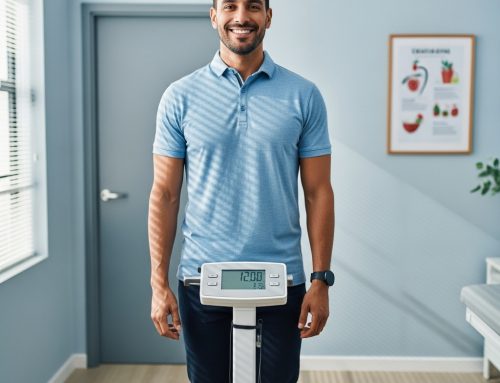
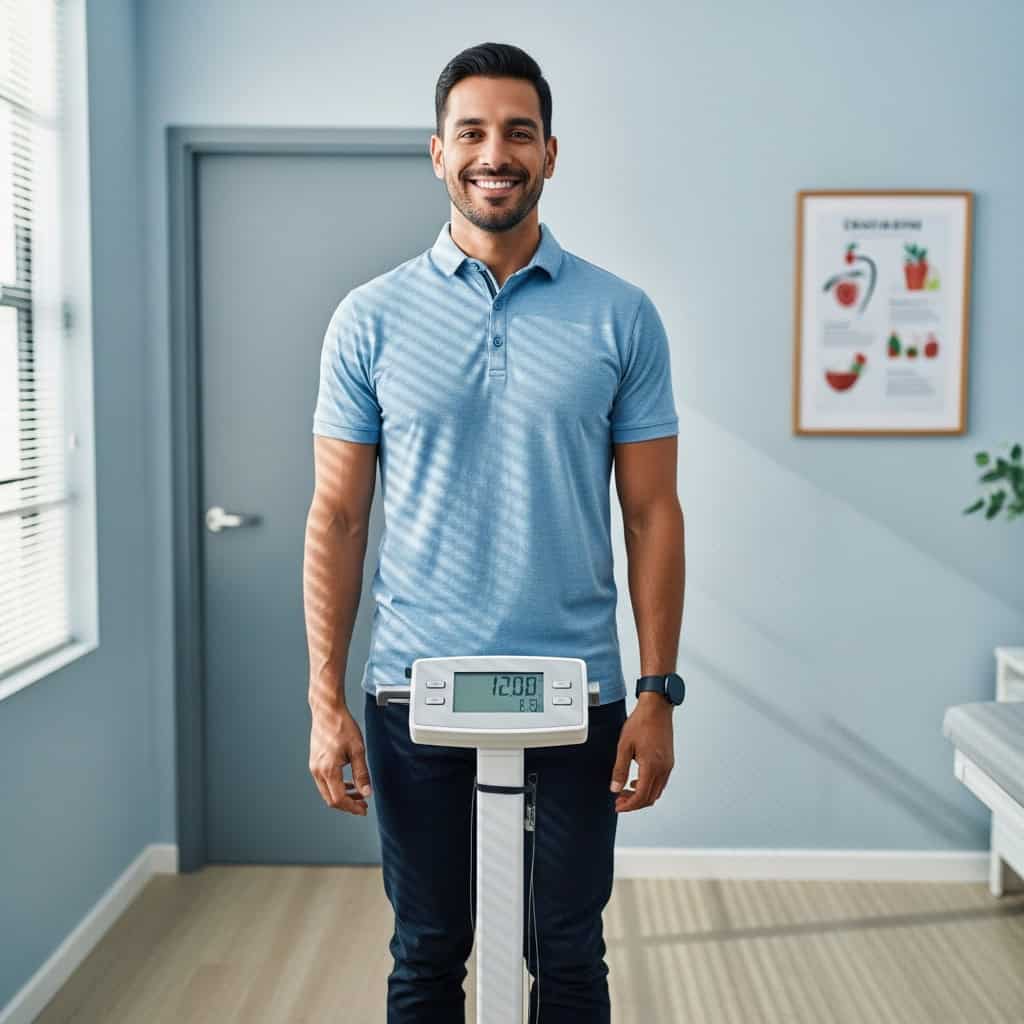
Muscle tissue is denser than fat tissue. So as you build lean muscle and lose fat, you might not see dramatic scale changes, but your body is literally reshaping itself. Medical weight loss clinics track this stuff properly – they use tools like body composition analyzers that can tell you exactly what’s happening beneath the surface.
The Medication Conversation (Yes, It’s Complicated)
Here’s where things get a little… well, it depends on how you feel about medication for weight loss. Some people love the idea, others feel weird about it. Both reactions are totally normal.
The reality is that we now have FDA-approved medications that can genuinely help with appetite regulation and metabolic function. These aren’t the sketchy diet pills from late-night infomercials – we’re talking about medications that work on the same brain pathways that control hunger and satiety.
But here’s the thing (and this is important): they’re not magic bullets. Think of them more like… training wheels. They can help quiet some of the biological noise that makes weight loss so difficult, giving you space to build sustainable habits.
A good medical weight loss clinic won’t just hand you a prescription and send you on your way. They’ll monitor how you’re responding, adjust dosages, watch for side effects, and most importantly – help you develop the lifestyle changes that’ll keep working long-term.
Why Location Actually Matters More Than You Think
You might be wondering why I keep mentioning “near me” and local clinics. Can’t you just do this stuff online?
Well… sort of. But there’s something to be said for having real, live humans who can see you regularly, notice changes in your energy levels, and adjust your plan in real-time. Weight loss isn’t a linear process – it’s more like a dance, and sometimes you need a good partner who can lead when you’re feeling a bit lost.
What to Look for When You Walk Through Those Doors
You know that feeling when you’re shopping for a car and suddenly notice every detail? That’s exactly how you should approach your first visit to a weight loss clinic. The lobby tells you everything – is it clean but not sterile? Are the staff genuinely welcoming or just going through the motions?
Here’s what I always tell my friends to watch for: Listen to how they talk about other patients. If they’re gossiping or complaining, that’s your cue to leave. But if they speak respectfully about everyone – even that difficult patient who just left – you’ve found a good place.
The biggest red flag? Any clinic that promises you’ll lose 30 pounds in 30 days. Run. Actually, don’t run – you might hurt yourself before you even start your real weight loss program.
Questions That Separate the Good Clinics from the Great Ones
Most people walk into consultations and just… listen. Big mistake. You’re interviewing them as much as they’re evaluating you. Here are the questions that’ll reveal everything
“What happens if I don’t lose weight as quickly as expected?” The best clinics won’t panic or immediately suggest more aggressive treatments. They’ll talk about adjusting the plan, checking for underlying issues, or simply reassuring you that bodies are stubborn sometimes.
“Can you show me before-and-after photos of patients with similar starting points to mine?” Generic stock photos are useless. You want to see real results from real people who started where you are now.
And here’s the question that stumps mediocre clinics: “What’s your plan if I hit a plateau at month three?” Great clinics already know plateaus are coming – they’re not surprised, they’re prepared.
Making Your Insurance Work for You (Yes, Really)
Insurance and weight loss… it’s complicated. But here’s what most people don’t know: many insurance plans cover weight loss programs if they’re medically necessary. The key word? Medically necessary.
Before your appointment, call your insurance company – I know, I know, nobody wants to spend an hour on hold. But ask specifically about coverage for “medically supervised weight loss programs” and “obesity medicine consultations.” Write down the representative’s name and reference number. Trust me on this.
Some clinics have staff who specialize in insurance navigation. These people are worth their weight in gold – they know exactly how to code treatments and which documentation your insurance needs. Don’t be shy about asking if they offer this service.
The Real Cost Beyond the Sticker Price
That $200 consultation fee? That’s just the beginning, and honestly, that’s okay. What you need to budget for are the hidden essentials that nobody mentions upfront.
Lab work can run anywhere from $150-400 depending on what they’re checking. Supplements – if recommended – might add $50-100 monthly. And if you end up needing prescription appetite suppressants? Factor in another $30-80 per month depending on your insurance.
But here’s a money-saving secret: ask about package deals upfront. Many clinics offer significant discounts if you commit to a 6-month program rather than paying month-to-month. Just make sure there’s an out clause if the program isn’t working for you.
Timing Your Start for Maximum Success
January? Forget it. Every clinic is swamped with New Year’s resolution seekers, and you’ll get less personalized attention. March and September are golden months – staff has more time, and you’re not competing with the resolution crowd for appointments.
Also, consider your personal calendar. Starting a weight loss program the week before your daughter’s wedding or right before a big work deadline? Recipe for disappointment. Pick a relatively calm period where you can focus on building new habits without major life disruptions pulling you in different directions.
Creating Your Support Network Before You Need It
Here’s something most clinics won’t tell you: their program is just one piece of your success puzzle. Start building your support network now – not three weeks in when you’re struggling with cravings at 9 PM.
Tell three people about your plans. Not everyone – you don’t need opinions from your coworker who’s tried every fad diet since 2019. Pick people who’ll check in without judgment and celebrate small wins with you.
And please, please clean out your kitchen before your first appointment. Nothing sabotages a great clinic visit like coming home to a pantry full of your trigger foods.
The Reality Check: What Actually Gets in Your Way
Let’s be honest – if losing weight were easy, we’d all be at our goal weight already, right? The truth is, there are some real roadblocks that trip people up, even when they’re working with a professional clinic. And you know what? That’s completely normal.
The biggest challenge I hear about? Impatience with the process. You’ve probably been there – you start strong, see some initial results, then hit that inevitable plateau around week three or four. Suddenly you’re wondering if this whole thing is worth it. Your brain starts that familiar chatter: “Maybe I’m just meant to be this way.”
Here’s the thing though – your body isn’t broken, it’s just being… well, a body. Weight loss isn’t linear, despite what those transformation photos on social media might suggest. Some weeks you’ll lose three pounds, others you might gain one (even though you did everything “right”). A good clinic will prepare you for this reality and help you focus on trends rather than daily fluctuations.
When Life Gets in the Way (Because It Always Does)
Then there’s the practical stuff. You know – life happening while you’re trying to get healthy. Work gets crazy, kids get sick, your car breaks down… and suddenly meal prep feels impossible and that gym membership becomes expensive guilt.
The clinics that actually work? They get this. They don’t hand you a rigid meal plan and say “good luck.” Instead, they help you build flexible strategies. Maybe that means learning how to make better choices at the drive-through when you’re running late. Or keeping emergency healthy snacks in your desk drawer, car, and purse.
One client told me she keeps pre-portioned nuts in her glove compartment because she discovered her danger time was the drive home from work when she’d hit every fast food place if she was hungry. Simple? Yes. Effective? Absolutely.
The Support System Struggle
Here’s something that might surprise you – sometimes the people closest to you become unexpected obstacles. Not because they’re mean or don’t want you to succeed, but because change makes everyone uncomfortable. Your spouse might feel threatened if you’re becoming more confident. Your friends might worry you won’t want to hang out at the usual restaurants anymore.
This is where having a weight loss clinic becomes invaluable. You’re not just getting medical guidance – you’re getting a neutral support system that understands what you’re going through. No judgment, no weird dynamics, just people who want to see you succeed.
Some clinics even offer group sessions or buddy systems. There’s something powerful about sitting in a room with other people who get why you cried in the Target dressing room last month (we’ve all been there, haven’t we?).
The Motivation Roller Coaster
Let’s talk about motivation for a second… actually, let’s not. Because motivation is overrated and unreliable. It’s like that friend who’s super enthusiastic about weekend plans but flakes at the last minute.
What you really need are systems and habits. Good clinics understand this distinction. They don’t rely on your motivation staying sky-high for months on end. Instead, they help you build routines that work even when you’re feeling blah about the whole thing.
Maybe it’s as simple as laying out your workout clothes the night before. Or having your clinic appointments scheduled for the same time each week so it becomes automatic. Small systems that don’t require you to feel inspired every single day.
The Plateau Problem (And Why It’s Not Actually a Problem)
Plateaus deserve their own conversation because they’re probably the number one reason people give up. You’re cruising along, losing weight consistently, then… nothing. For weeks. It’s maddening.
But here’s what’s likely happening – your body composition is changing even if the scale isn’t budging. You’re building muscle while losing fat. Your clothes are fitting better. You’re sleeping more soundly. The scale, though? Stubborn as ever.
Professional clinics have tools to measure these changes beyond just weight. Body composition scans, progress photos, measurements, energy levels – they help you see the full picture when that scale is being difficult.
The best part? They’ve seen this pattern hundreds of times before. They can reassure you (with actual data) that you’re not stuck, you’re just in a different phase of the process. Sometimes you need that outside perspective to keep going when your inner critic is getting loud.
What to Expect in Your First Few Weeks
Let’s be honest – you’re probably wondering if this is actually going to work this time. That’s completely normal, by the way. Most people who walk into weight loss clinics have tried… well, everything. The good news? Medical weight loss is different because it’s not about willpower alone.
Your first appointment will feel a bit like detective work. We’re gathering clues about your body – blood tests, medical history, current medications, sleep patterns, stress levels. It might seem overwhelming, but think of it like finally having someone look under the hood of your car instead of just kicking the tires and hoping for the best.
The initial weeks are honestly about adjustment more than dramatic results. Your body needs time to adapt to new medications (if prescribed), dietary changes, and routine shifts. Some people see changes on the scale within the first two weeks. Others? It takes a month or more. Both scenarios are completely normal – your body isn’t being stubborn, it’s being smart.
Timeline Reality Check (Because We’re Not Selling Magic Pills)
Here’s what realistic progress actually looks like… and I know this might not be what you want to hear, but it’s what actually works long-term.
Month 1-2: You’re learning the ropes. Maybe you’ve lost 3-8 pounds, maybe you haven’t lost any weight but your clothes fit differently. You’re figuring out which foods work with your new plan, adjusting to any medications, and – this is huge – starting to break old patterns. The scale might be stubborn, but your energy levels? Probably improving.
Month 3-6: This is where things get interesting. Most people see steady progress – typically 1-2 pounds per week, though it’s rarely that linear. You’ll have weeks where you lose nothing, then suddenly drop three pounds. Your body’s not broken, it’s just… well, it’s doing body things.
Month 6+: You’re hitting your stride. The new habits feel less like work and more like life. You’ve probably hit a plateau or two (they’re inevitable and actually healthy), worked through them, and discovered that sustainable weight loss isn’t a straight line down.
Common Speed Bumps (And Why They’re Actually Good Signs)
That plateau at week 8? Your metabolism adjusting to your new weight – which means the changes are sticking.
The week you gained two pounds despite doing everything right? Probably hormones, water retention, or your body deciding to hold onto sodium because you had a stressful week at work.
The sudden intense craving for pizza at week 12? Your brain testing whether you’re serious about this whole lifestyle change thing.
These aren’t failures – they’re your body being… well, human. The difference between medical weight loss and DIY attempts is that you’ve got a team helping you navigate these bumps instead of throwing in the towel.
Your Action Plan for Getting Started
First things first – call and schedule that consultation. Yes, even if you’re nervous. Actually, especially if you’re nervous. The anticipation is usually worse than the actual appointment.
Before you come in, jot down a few things
– What weight loss attempts you’ve tried before – Any medications you’re currently taking – Your main health concerns or goals – Questions you definitely want answered
Don’t worry about having a perfect list – we’re used to people saying “Oh, I forgot to mention…” halfway through appointments.
Building Your Support Network
Here’s something people don’t talk about enough – weight loss can mess with relationships. Some friends might feel threatened by your changes, others might become the food police. It’s weird and uncomfortable and totally normal.
That’s why connecting with other people going through similar experiences matters. Whether it’s through support groups at the clinic, online communities, or just finding that one friend who actually gets it… having people in your corner makes everything easier.
Your clinical team becomes part of this network too. We’ve seen every scenario, every setback, every breakthrough. When you’re convinced you’re the only person who gained weight while eating lettuce (spoiler: you’re not), we’re here to remind you that bodies are complicated and progress isn’t always linear.
The bottom line? This isn’t about perfection – it’s about progress. Some days will be better than others, and that’s not just okay, it’s expected. Ready to take the first step?
Look, I get it. Reading about all these benefits is one thing – actually picking up the phone and scheduling that first appointment? That’s a whole different story.
Maybe you’re sitting there thinking, “This all sounds great, but what if I fail again?” Or perhaps you’re wondering if you really deserve this kind of professional support. (Spoiler alert: you absolutely do.)
Here’s what I’ve learned from watching hundreds of people walk through our doors over the years – and trust me, I’ve seen it all. The hesitant first-timers clutching their insurance cards. The repeat dieters who’ve tried everything twice. The busy parents who finally decided to put themselves first… The one thing they all had in common wasn’t their starting weight or their goal size. It was simply this: they were ready to stop going it alone.
And that’s really what visiting a weight loss clinic boils down to, isn’t it? You’re not just getting meal plans and medications (though those help tremendously). You’re getting a team. People who understand that weight loss isn’t just about willpower – it’s about working with your body’s unique needs, your schedule, your food preferences, even your family dynamics.
Your healthcare provider isn’t going to judge you for that late-night ice cream habit. Actually, they’ll probably help you figure out why it happens and what you can do instead. The nutritionist won’t roll their eyes when you admit you hate cooking – they’ll work around it. This is support without the side of guilt, which… when’s the last time you experienced that?
The medical monitoring piece gives you something invaluable too – peace of mind. No more wondering if you’re doing everything safely, no more second-guessing whether that energy dip is normal. You’ve got professionals keeping an eye on the bigger picture while you focus on the day-to-day stuff.
And honestly? Having that external accountability can be a game-changer. Not in a “Big Brother is watching” way, but more like… having a workout buddy, except they actually know what they’re talking about and they show up consistently.
The personalized approach means you’re not trying to squeeze yourself into some one-size-fits-all program that worked for your neighbor but leaves you feeling hungry and frustrated. Your plan considers your medical history, your lifestyle, your preferences. It’s built around your life, not the other way around.
Here in Mira Lagos, you don’t have to travel far to find this kind of comprehensive support. It’s right in your neighborhood, which means one less excuse to skip appointments (and believe me, I say that with love – we all need fewer barriers, not more).
If you’ve been thinking about reaching out, maybe this is your sign. You don’t have to have it all figured out before you call – that’s literally what we’re here for. Whether you’re dealing with stubborn weight that won’t budge, health concerns that are making weight loss feel urgent, or you’re just tired of feeling frustrated with your body… you’re not asking for too much by wanting professional help.
Why not give us a call? Even if it’s just to ask questions or learn more about what we offer. Sometimes the hardest part is just making that first connection – and from there, everything else becomes a little bit easier.