7 Ways a Weight Loss Clinic in Mesquite Helps You Lose Weight Fast
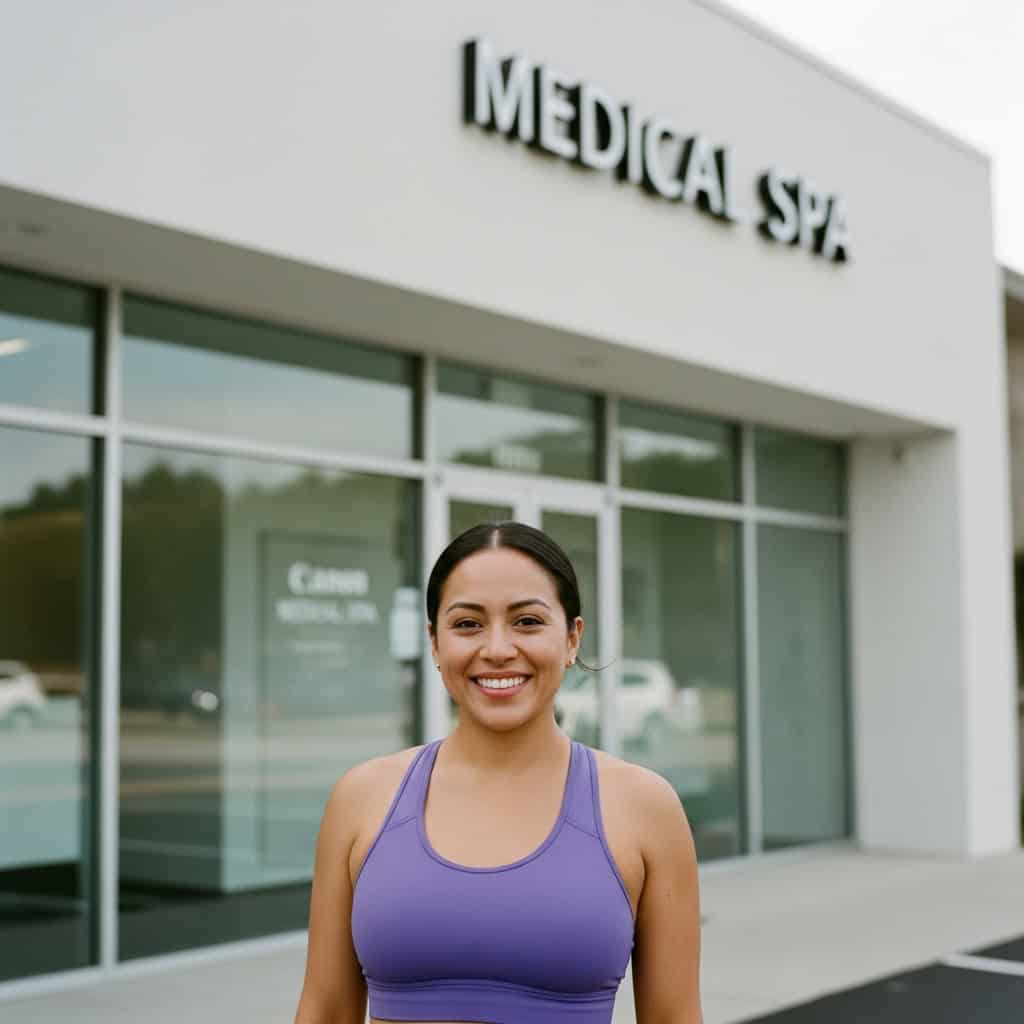
You know that Sunday night feeling? When you’re standing in your closet, trying on three different outfits for Monday morning, and nothing feels right. Your favorite jeans are… well, let’s just say they’re not feeling very friendly. You catch yourself in the mirror and think, “This time, I’m really going to do something about it.”
Sound familiar?
Maybe you’ve been here before – scrolling through fitness apps at 11 PM, bookmarking meal prep videos you’ll never actually watch, or calculating how many salads it’ll take to fit into that dress hanging in the back of your closet. You start Monday with the best intentions, armed with celery sticks and determination. But by Wednesday? You’re stress-eating leftover pizza because work got crazy, the kids had meltdowns, and honestly… that celery wasn’t doing much for your soul anyway.
Here’s the thing nobody talks about: you’re not failing at weight loss because you lack willpower. You’re struggling because you’re trying to navigate this whole thing alone, without the right tools, support, or – let’s be real – a plan that actually fits your actual life.
I’ve seen it countless times working with people at our clinic. Smart, capable humans who can manage budgets, raise families, and handle workplace drama… but when it comes to losing weight? They feel completely lost. It’s like being handed a map written in a foreign language while blindfolded. Frustrating doesn’t even begin to cover it.
That’s where a weight loss clinic changes everything – and I don’t mean in some magical, wave-a-wand kind of way. I mean in practical, this-actually-makes-sense ways that work with your crazy schedule, your food preferences (yes, even your weakness for good bread), and your real life.
When you’re working with professionals who understand both the science of weight loss AND the reality of living in Mesquite – where Whataburger calls your name and the summer heat makes outdoor exercise feel like punishment – suddenly everything shifts. Instead of fighting against your body, you start working with it. Instead of feeling like you’re white-knuckling your way through another diet, you actually have a roadmap that makes sense.
Think about it this way: if your car was making weird noises, you wouldn’t just cross your fingers and hope it fixes itself, right? You’d take it to someone who knows engines, has the right diagnostic tools, and can create a plan to get you back on the road safely. Your health – and your weight loss goals – deserve that same level of professional attention.
But here’s what I really want you to understand… a good weight loss clinic isn’t just about the number on the scale. Sure, you’ll lose weight (and yeah, probably faster than you would on your own), but you’re also getting something bigger: you’re learning how to take care of yourself in a way that actually sticks.
No more Sunday night closet panic sessions. No more starting over every Monday. No more feeling like you’re the only person who can’t figure this out.
Over the years, I’ve watched people transform not just their bodies, but their entire relationship with food, movement, and honestly – themselves. And it starts with understanding that effective weight loss isn’t about perfection or deprivation. It’s about having the right support system, the right medical guidance, and strategies that work for real people with real lives.
So if you’re tired of the solo struggle… if you’re ready to stop feeling like you’re speaking a different language than your own body… if you want to actually enjoy the process instead of just enduring it – then you’re going to love what we’re about to explore together.
We’re going to walk through seven specific ways a weight loss clinic right here in Mesquite can help you not just lose weight, but lose it in a way that feels sustainable, supported, and honestly? Kind of exciting. Because when you have the right team in your corner, this whole thing stops feeling like punishment and starts feeling like possibility.
Ready to see what that looks like?
The Science Behind Fast (But Safe) Weight Loss
Here’s the thing about losing weight quickly – it’s not just about willpower or finding the perfect diet plan. Your body is basically a complex machine that’s been fine-tuned over thousands of years to hold onto every calorie it can get. Makes sense when you think about it… our ancestors didn’t exactly have drive-throughs on every corner.
But that survival mechanism? It’s working against you now. When you suddenly slash calories or start exercising like crazy, your body panics. It thinks you’re starving, so it slows down your metabolism and cranks up your hunger hormones. It’s like your body is saying, “Oh no, we’re in survival mode – better conserve energy and find food ASAP!”
This is where medical weight loss clinics come in. They’re not just glorified diet centers (though I know that’s what some people think). They understand the biological roadblocks you’re facing and have tools to work *with* your body instead of against it.
Why Your Past Attempts Probably Failed
Let me guess – you’ve tried losing weight before. Maybe several times. And each time, you started strong, maybe even lost some weight initially, but then… life happened. The scale stopped moving. You got frustrated. Old habits crept back in.
Here’s what likely went wrong: you were fighting biology with willpower alone. That’s like trying to hold back a river with your bare hands – you might manage it for a while, but eventually, the water wins.
Most traditional approaches ignore the fact that obesity is often a medical condition with real physiological components. Your hunger hormones might be out of whack. Your insulin resistance could be making it nearly impossible to burn fat efficiently. You might have a sluggish thyroid or sleep apnea that’s sabotaging your efforts without you even knowing it.
The Medical Advantage: Tools Beyond Diet and Exercise
Medical weight loss clinics have access to interventions that your local gym or nutrition coach simply don’t. I’m talking about prescription medications that can regulate appetite, procedures that can jump-start your metabolism, and comprehensive testing that reveals what’s really going on under the hood.
Think of it like this – if your car wasn’t running properly, you wouldn’t just keep putting different types of gas in it and hope for the best. You’d take it to a mechanic who could diagnose the actual problem and fix it with the right tools.
Understanding “Fast” Weight Loss
Now, when we say “fast” weight loss, we need to be clear about what that means. We’re not talking about those crash diets that promise you’ll drop 20 pounds in a week (spoiler alert: that’s mostly water weight and muscle loss, and it’ll come right back).
Real fast weight loss – the kind that actually sticks – typically means losing 1-3 pounds per week consistently. I know, I know… that might not sound “fast” compared to what you see on TV. But here’s the reality: sustainable weight loss that doesn’t destroy your metabolism or your sanity happens at this pace.
The beauty of medical supervision is that you can often achieve the higher end of that range safely. With the right combination of interventions – and yes, close monitoring to make sure everything’s going well – many people can lose weight faster than they ever have before while actually feeling better, not worse.
The Accountability Factor (It’s Bigger Than You Think)
Here’s something that might surprise you: the medical expertise is only part of what makes these clinics effective. The other huge piece is accountability – but not the shame-based kind you might be imagining.
When you know you have an appointment coming up, when someone is tracking your progress and celebrating your wins… it changes everything. You’re not just accountable to yourself anymore (which, let’s be honest, is easy to negotiate with at 10 PM when you’re stressed and staring at the fridge).
It’s like having a personal trainer, nutritionist, and cheerleader all rolled into one – except they actually understand the medical complexities of weight loss. They know when to push you and when to adjust the plan because something isn’t working.
Setting Realistic Expectations
Look, I’m going to be straight with you – even with medical help, weight loss isn’t magic. You’ll still need to make changes to how you eat and move. But the difference is, you’ll have support, you’ll understand why you’re doing what you’re doing, and you’ll have tools to overcome the biological barriers that have stopped you before.
The goal isn’t perfection. It’s progress that you can actually maintain.
Getting the Most Out of Your First Consultation
Here’s what most people don’t realize – that initial appointment isn’t just a weigh-in and handshake. Come prepared with a food diary from the past week (yes, including that midnight ice cream), a list of every medication you’re taking, and honest answers about your exercise habits. The more transparent you are, the better your provider can tailor your plan.
Bring someone with you if possible. Not for moral support (though that’s nice too) – but because you’ll receive a lot of information, and having a second set of ears helps you remember everything later. Plus, your support person will understand what you’re working toward.
Making the Most of Medical Supervision
This is where clinic-based weight loss really shines compared to going it alone. Your medical team can spot issues before they become problems – like nutrient deficiencies that sabotage your energy, or medication interactions that slow your progress.
Schedule follow-ups consistently, even when you’re doing well. Actually, especially when you’re doing well. Those check-ins aren’t just about catching problems; they’re about fine-tuning what’s working. Maybe your protein needs adjusting as you build muscle, or your sleep patterns need tweaking to optimize fat burning.
Don’t be shy about texting or calling between appointments either. Most clinics have systems for quick questions – use them. That weird side effect? The plateau that’s frustrating you? These aren’t things to wait two weeks to discuss.
Maximizing Your Meal Planning Sessions
If your clinic offers nutritional counseling (and they should), treat these sessions like gold. Come with your grocery store receipts, photos of meals you’re unsure about, and questions about specific situations you face.
Ask about meal prep strategies that actually work for your lifestyle. The nutritionist who suggests spending Sunday afternoon cooking seven identical meals clearly doesn’t understand that you’ll be sick of chicken and broccoli by Wednesday. Instead, learn how to prep components – proteins, grains, chopped vegetables – that you can mix and match throughout the week.
Get specific about portions too. “A palm-sized piece of protein” sounds reasonable until you’re standing in your kitchen wondering if your hands are abnormally large or small. Ask for gram measurements, visual comparisons, and backup strategies for when you’re eating out.
Working with Prescribed Medications Effectively
If your doctor prescribes weight loss medications, think of them as tools, not magic wands. They work best when you’re also doing the other work – eating well, moving more, managing stress.
Take them exactly as prescribed (I know, obvious, but you’d be surprised). Some work better on an empty stomach, others with food. Some lose effectiveness if you skip doses, others shouldn’t be doubled up if you forget one. These details matter more than you might think.
Track how you feel, not just what the scale says. Are you less hungry? Sleeping better? Feeling more energetic? These changes often happen before the numbers move, and they’re worth celebrating.
Creating Accountability That Actually Works
The buddy system isn’t just for swimming. Find someone in your clinic’s program – or even better, a few people – who you can check in with regularly. Not for daily weigh-ins (that gets old fast) but for sharing wins, venting frustrations, and problem-solving together.
Many clinics have group sessions or online communities. Use them, even if you’re normally a private person. There’s something powerful about hearing someone else describe exactly the struggle you’re having… and then share how they got through it.
Troubleshooting Common Roadblocks
Plateaus happen to everyone – and I mean everyone. When your weight loss stalls, resist the urge to drastically cut calories or add hours of cardio. Instead, look at what’s changed. Are you drinking less water? Sleeping poorly? More stressed than usual? Sometimes the fix is surprisingly simple.
If you’re feeling deprived or restricted, that’s a red flag. Sustainable weight loss shouldn’t feel like punishment. Talk to your team about adjusting your plan. Maybe you need more flexibility on weekends, or different snack options, or a break from tracking for a few days.
Remember, your clinic wants you to succeed long-term – not just lose weight quickly and gain it back. Trust the process, communicate openly, and don’t be afraid to ask for what you need. That’s what you’re paying for, after all.
When the Scale Won’t Budge (And You Want to Throw It Out the Window)
You know that feeling when you’ve been doing everything “right” for two weeks and the scale hasn’t moved an inch? Yeah, we see this frustration daily. Weight loss isn’t a smooth downward slope – it’s more like a stock market chart with peaks, valleys, and those annoying plateaus that make you question everything.
Here’s the thing though… plateaus are actually normal. Your body’s basically saying, “Hey, I need a minute to catch up here.” Our Mesquite clinic helps you push through these stalls by adjusting your plan – maybe tweaking your calorie target, switching up your exercise routine, or examining factors you might not have considered (hello, stress hormones).
Sometimes we’ll recommend a brief diet break – sounds counterintuitive, but giving your metabolism a little reset can actually jumpstart things again. It’s like turning your phone off and on when it’s being glitchy.
The Social Food Minefield
Let’s be real – your coworkers didn’t suddenly stop bringing donuts to meetings just because you’re trying to lose weight. And your family? They’re still going to suggest pizza for dinner because “it’s easy.”
The social pressure around food is intense, and people often don’t realize they’re sabotaging your efforts. Your well-meaning friend who says “one cookie won’t hurt” might as well be speaking a foreign language to your brain, which is already fighting cravings.
Our approach isn’t to tell you to become a hermit. Instead, we practice real-world scenarios. How do you handle the office birthday cake? What do you say when someone keeps pushing food on you? We’ll even help you prep responses that don’t make you sound like the food police at every gathering.
Actually, that reminds me – one client told us she started bringing her own healthy dish to every potluck. Smart move. She knew she’d have at least one good option, and people started asking for her recipes.
The All-or-Nothing Trap
This might be the biggest saboteur we see. You eat perfectly for five days, then have one slice of pizza and suddenly you’re face-first in a pint of ice cream because “you already ruined everything.”
Sound familiar? That’s your brain playing tricks on you. One meal – or even one day – doesn’t erase your progress. But that perfectionist mindset? It’ll derail you faster than anything else.
We teach what we call the “80/20 rule” – if you’re making good choices 80% of the time, you’re winning. That other 20%? Life happens. Birthdays happen. Stress happens. Mexican food happens (especially here in Texas).
The key is getting back on track with the very next meal, not Monday morning. We’ve seen too many people waste entire weekends in a guilt spiral when they could’ve just… moved on.
When Your Body Fights Back
Here’s something most people don’t expect – as you lose weight, you might actually feel hungrier. Your body produces more ghrelin (the hunger hormone) and less leptin (the “I’m full” hormone). It’s like your body’s mounting a rebellion against your weight loss efforts.
This isn’t a character flaw or lack of willpower. It’s biology being… well, kind of a pain in the rear.
Our medical team can help manage these hormonal shifts through various strategies – sometimes it’s medication, sometimes it’s adjusting meal timing, often it’s a combination of approaches. We’re not going to pretend willpower alone is enough when your hormones are literally working against you.
The Energy Roller Coaster
Starting a weight loss program while maintaining your regular life? That’s like trying to renovate your house while living in it – technically possible, but messy and exhausting.
Your energy levels will fluctuate, especially in the beginning. Some days you’ll feel great, others you’ll want to nap at 2 PM. This is normal, but it doesn’t make it any less frustrating when you’re trying to juggle work, family, and everything else.
We help you strategically time your meals and choose foods that provide steady energy rather than quick spikes and crashes. And yes, we’ll be honest about when you might need to dial back the intensity temporarily – pushing through extreme fatigue usually backfires anyway.
The good news? Most people find their energy actually improves as they lose weight and their bodies adjust to better nutrition. But getting there requires patience with the process… and maybe an extra cup of coffee some mornings.
What to Expect in Your First Few Weeks
Let’s be honest – you’re probably wondering when you’ll start seeing results. I get it. You’ve tried things before, and… well, here you are, right? The good news is that medically supervised weight loss typically shows results faster than going it alone. But “fast” doesn’t mean overnight magic.
Most people notice changes within the first two weeks. Maybe it’s your jeans feeling a bit looser, or that afternoon energy crash becoming less brutal. The scale might drop 2-5 pounds in those first weeks – though remember, some of that initial loss is water weight. Don’t let that discourage you when things slow down a bit after that. It’s completely normal.
Your appetite will probably start shifting too. If you’re on appetite suppressants, you might find yourself forgetting to eat lunch (set phone reminders – seriously). It’s weird at first, but in a good way. Like your brain finally stops obsessing over food every thirty minutes.
The Reality of Timeline Expectations
Here’s what I see working with patients every day – sustainable weight loss happens at about 1-2 pounds per week once your body adjusts. Some weeks you’ll lose more, some less. Occasionally the scale won’t budge at all, and that’s when you’ll want to throw it out the window. But then your pants will be looser, and you’ll remember why we take measurements too.
Month one? Expect to lose 6-10 pounds if you’re following the plan. Month three? You could be down 15-25 pounds, depending on your starting point and how your body responds. The people who lose 50+ pounds? They’re thinking in terms of 6-12 months, not 6-12 weeks.
Your clinic will help set realistic goals based on your specific situation. Someone with 30 pounds to lose will have a different timeline than someone with 100+ pounds. And that’s perfectly fine – this isn’t a race.
Month-by-Month Milestones
Month 1: Getting into the groove. Your body’s adjusting to new medications, new eating patterns, new habits. You’ll probably lose the most this month, which is encouraging but also… don’t expect it to continue at exactly that pace.
Months 2-3: This is where the real work happens. Your initial enthusiasm might wane a bit (totally normal), but your new habits are starting to stick. You’ll likely hit your first plateau around here – don’t panic. Your body’s just recalibrating.
Months 4-6: You’re hitting your stride now. People are probably starting to notice and comment. You might need to buy some new clothes. Actually, you definitely will need new clothes, and that’s a problem we love to have.
Building Sustainable Habits Beyond the Clinic
The clinic gives you the tools and medical support, but the habits you build? Those are what keep the weight off long-term. We’ve all seen people lose weight quickly only to gain it back (maybe you’ve been there yourself).
Start small. Really small. Maybe it’s drinking one extra glass of water each day. Or taking a 10-minute walk after dinner. These tiny changes compound over time in ways that’ll surprise you.
Your relationship with food will evolve too. You’ll start noticing hunger versus boredom. You’ll discover that you actually enjoy vegetables when they’re seasoned properly (who knew?). The emotional eating patterns that might’ve derailed you before? You’ll have strategies for those.
Staying Connected and Accountable
Your clinic isn’t just there for the initial consultation and medication prescription. They’re your support system throughout this process. Use them. Ask questions. Report weird side effects. Celebrate your wins with them – they genuinely want to see you succeed.
Many clinics have patient support groups or online communities. If yours does, consider joining. There’s something powerful about connecting with others who understand exactly what you’re going through. Plus, someone’s always got great recipe ideas or tips for dealing with that one family member who keeps offering you dessert.
Plan for regular check-ins even when things are going well. It’s tempting to skip appointments when you’re feeling confident, but consistency is what separates temporary success from permanent change. Your medical team can adjust medications, address concerns, and help you navigate challenges before they become bigger problems.
Remember – this is about more than just the number on the scale. You’re building a healthier relationship with food, developing sustainable habits, and taking control of your health in a way that’ll serve you for years to come.
You Don’t Have to Do This Alone
Look, I get it. You’ve probably read countless articles promising quick fixes and miracle solutions. You might be sitting there thinking, “This sounds great, but will it actually work for *me*?”
Here’s the thing – and I mean this from the bottom of my heart – what we’ve talked about isn’t just theoretical. These aren’t empty promises or marketing fluff. When you have a team of medical professionals who actually understand the science behind weight loss… when someone’s monitoring your progress and adjusting your plan based on real data… when you’re not left guessing about medications or wondering if that plateau is normal… that changes everything.
The difference between trying to lose weight on your own and having professional support? It’s like the difference between wandering around a new city with no map versus having a local guide who knows all the shortcuts. Sure, you might eventually find your destination either way, but one path is so much clearer – and honestly, so much less frustrating.
I’ve seen people transform not just their bodies, but their entire relationship with food, exercise, and frankly… themselves. That woman who couldn’t climb a flight of stairs without getting winded? She’s hiking trails now. The guy who avoided mirrors for years? He’s actually excited to shop for clothes. These aren’t fairy tales – they’re real people who decided to stop struggling alone.
And here’s something else that matters: you’re not committing to some rigid, one-size-fits-all program. Medical weight loss is about finding what works specifically for your body, your schedule, your challenges. Maybe you need help with emotional eating. Maybe your hormones are working against you. Maybe you’ve got a medical condition that makes traditional dieting nearly impossible. Whatever it is, there’s likely a solution – you just need someone with the expertise to find it.
I know taking that first step feels huge. There’s vulnerability in admitting you need help, in walking into a clinic and saying, “I can’t do this alone anymore.” But you know what? That’s not weakness – that’s wisdom. It’s recognizing that sustainable weight loss isn’t about willpower; it’s about having the right tools, the right support, and yes, sometimes the right medical intervention.
Your health matters. Your happiness matters. And you matter.
If you’re tired of feeling frustrated… if you’re ready to stop cycling through diets that don’t work… if you want to finally understand what your body needs to succeed – then maybe it’s time to make that call. The team in Mesquite isn’t just waiting to help you lose weight fast; they’re ready to help you build a healthier life that lasts.
You’ve read this far, which tells me you’re serious about making a change. Don’t let another month go by wondering “what if.” Pick up the phone. Schedule that consultation. Ask your questions. See what’s possible when you have real expertise in your corner.
You’ve got nothing to lose except the weight that’s been holding you back.